The Most Precise
Retinal Treatment System
Realized by Gangnam Tokyo Eye Clinic
comprehensive retina care under one roof
In retinal disease, the timing and method of treatment
are decisive for preserving vision.
Gangnam Tokyo Eye Clinic combines experienced specialist expertise
with advanced surgical systems,
delivering tailored solutions optimized for each patient's condition,
from non-surgical injection therapy to complex vitrectomy.
Non-Surgical Intensive Care
Precision medical technology that restores retinal function without corneal incision
Intravitreal Antibody Injection
(Anti-VEGF)- Macular Degeneration
- Diabetic Retinopathy
- Retinal Vascular Occlusion (Edema)
Treatment Principle
Drugs that suppress neovascularization causing vision loss and reduce edema are directly injected into the eye.
Strengths
Using the same genuine medications as university hospitals
(Eylea, Lucentis, etc.),
we help achieve safe and rapid visual stabilization.
Retinal Laser Treatment (Photocoagulation)
- Diabetic Retinopathy (Proliferation Suppression)
- Retinal Tear (Detachment Prevention)
- Retinal Vascular Occlusion
Treatment Principle
High-performance laser coagulates damaged or weakened retinal areas to block disease progression.
Strengths
We operate a precision laser system that selectively treats only the lesion area
while minimizing damage to normal tissue.
Customized Drug Therapy
- Uveitis
- Macular Edema
Treatment Principle
Steroids or immunosuppressants are prescribed
for inflammation control and IOP management.Strengths
We lower recurrence rates through
multifaceted medication design considering systemic disease associations.
- 01
- 02
- 03
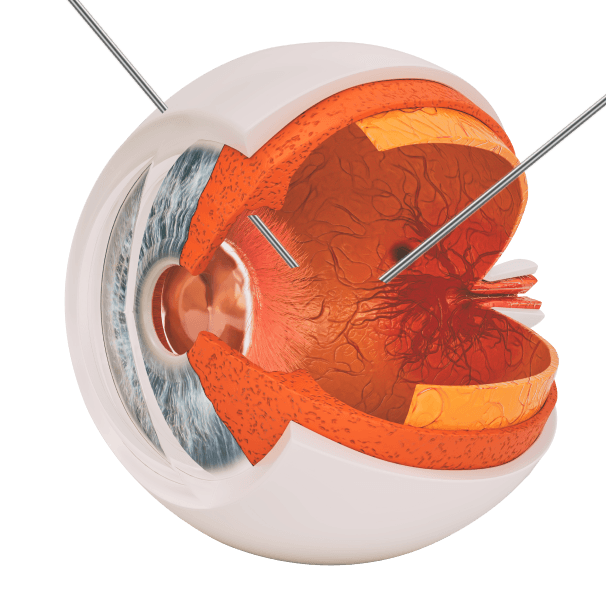
Vitrectomy
- Retinal Detachment
- Epiretinal Membrane
- Proliferative Diabetic Retinopathy
- Vitreous Hemorrhage
Treatment Principle
The clouded vitreous is removed and scar tissue pulling on the retina is
excised to restore the retina to its original position.Strengths
Our micro-incision system has dramatically
reduced pain and recovery time.
- 01
- 02
- 03
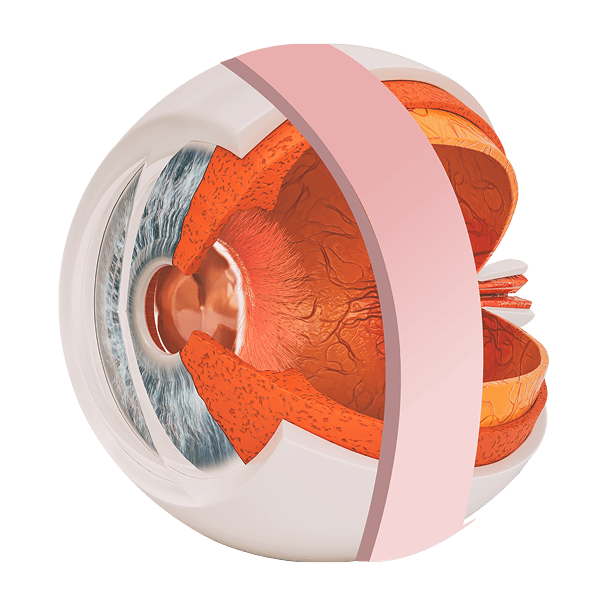
Scleral Buckling
- Rhegmatogenous Retinal Detachment
Treatment Principle
A band is placed on the exterior of the eye to press the retina into place,
or internal air/gas injection is used to reattach the detached retina.Strengths
We ensure a high surgical success rate by selecting
the optimal surgical method for each type of retinal detachment.
- 01
- 02
- 03
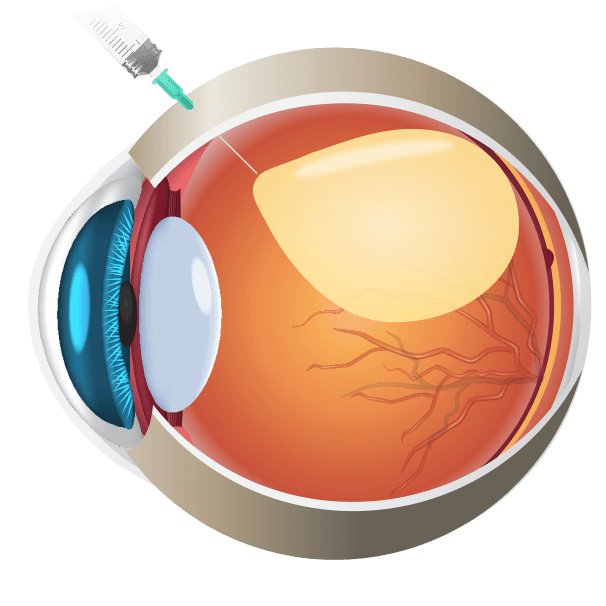
Pneumatic Retinopexy
Treatment Principle
This procedure involves injecting gas into the eye to seal retinal holes (tears),
using the expansion force of the gas to guide the retina
to naturally reattach.
For successful reattachment, it is crucial to maintain a head-down or
prone position strictly for a period after the procedure and rest properly.
- 01
- 02
- 03
Vitrectomy
- Retinal Detachment
- Epiretinal Membrane
- Proliferative Diabetic Retinopathy
- Vitreous Hemorrhage
Treatment Principle
The clouded vitreous is removed and scar tissue pulling on the retina is
excised to restore the retina to its original position.Strengths
Our micro-incision system has dramatically
reduced pain and recovery time.
- 01
- 02
- 03
Scleral Buckling
- Rhegmatogenous Retinal Detachment
Treatment Principle
A band is placed on the exterior of the eye to press the retina into place,
or internal air/gas injection is used to reattach the detached retina.Strengths
We ensure a high surgical success rate by selecting
the optimal surgical method for each type of retinal detachment.
- 01
- 02
- 03
Pneumatic Retinopexy
Treatment Principle
This procedure involves injecting gas into the eye to seal retinal holes (tears),
using the expansion force of the gas to guide the retina
to naturally reattach.
For successful reattachment, it is crucial to maintain a head-down or
prone position strictly for a period after the procedure and rest properly.
Why Gangnam Tokyo Eye Clinic Retina Center?
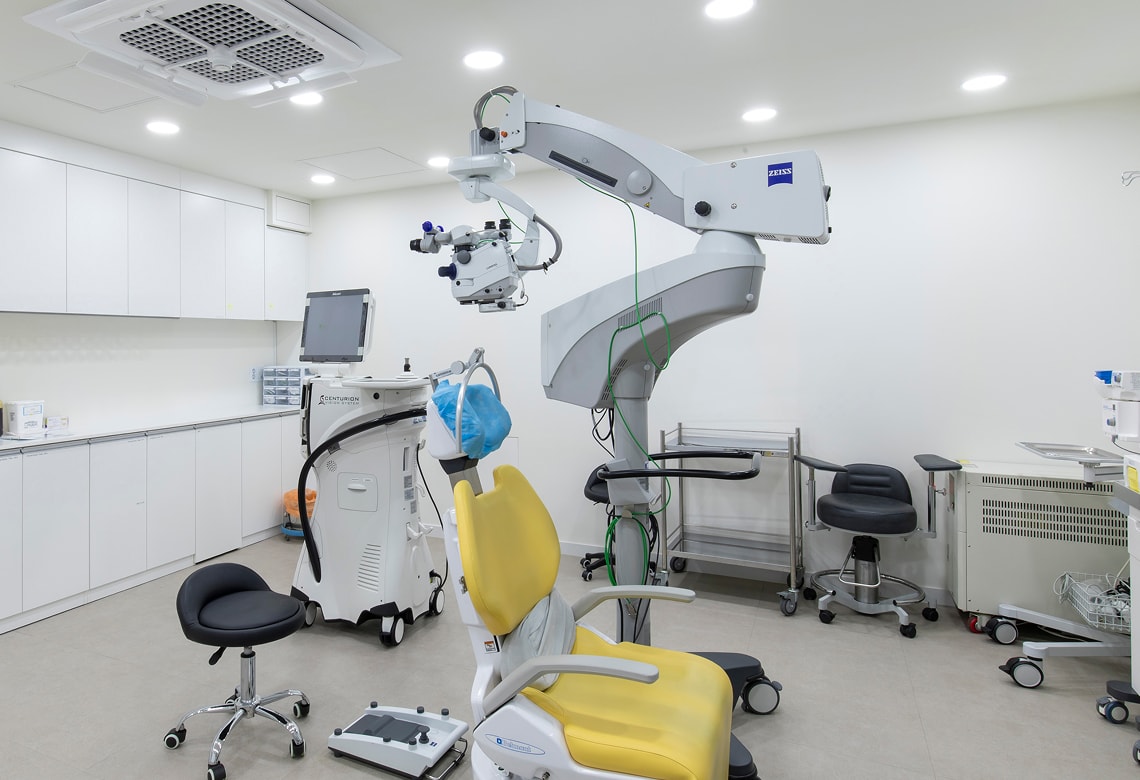
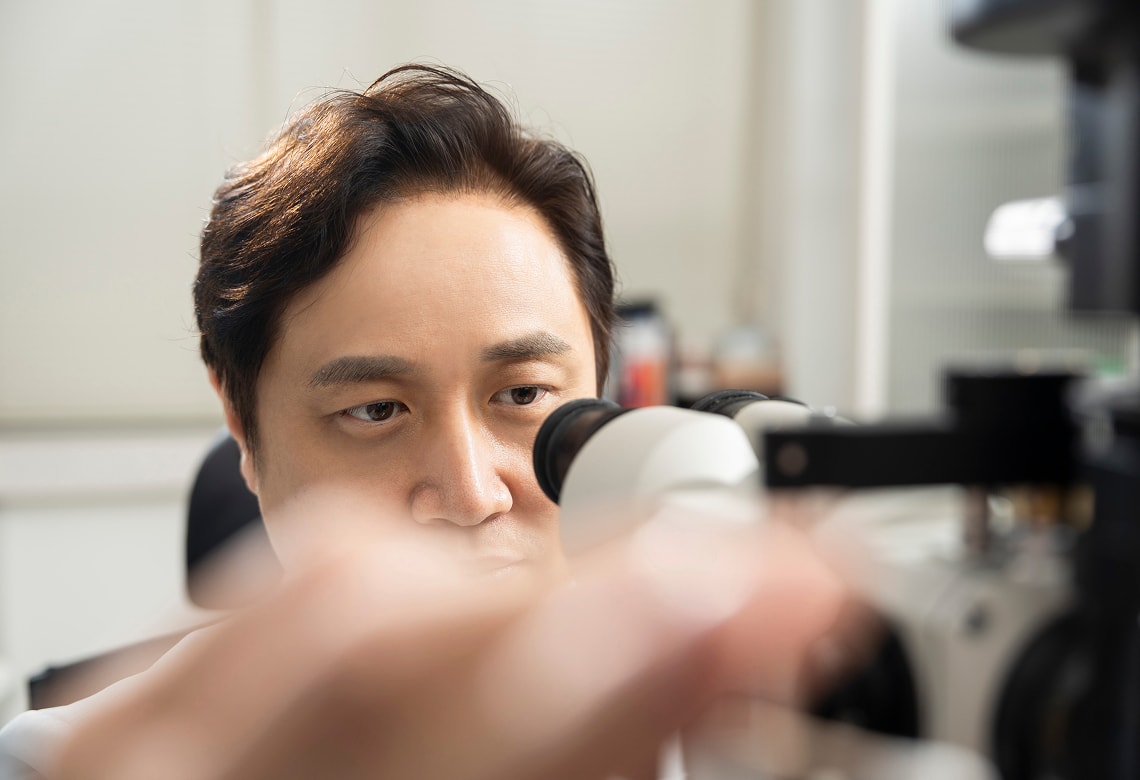

01University Hospital-Level Advanced Equipment
Pre- and post-operative precision analysis through high-resolution OCT, wide-angle fundus camera, and more
02Performed Exclusively by Dr. Park Hyung-ju
A specialist with thousands of clinical cases
personally oversees every step from diagnosis to surgery and follow-up
03Emergency Response System
Rapid examination and treatment system established
for urgent conditions such as retinal detachment and retinal artery occlusion
Other Disease Treatment Methods
Uveitis is easily confused with simple eye diseases and requires meticulous differential diagnosis by a retinal specialist.

- 1Standard Fluorescein Angiography
A central (within 30 degrees) focused examination to observe subtle changes around the macula.
- 2Wide-Angle Fluorescein Angiography
Captures up to 120 degrees of the peripheral retina at a glance.
An innovative examination that detects refractory and posterior uveitis early and meticulously confirms retinal involvement in pediatric patients.
Low-dose steroids and various immunomodulatory agents such as cyclosporine and mycophenolate are precisely prescribed according to each patient's individual condition.
This aims for safe treatment that minimizes systemic side effects and reduces
the risk of complications from long-term use.
When vitreous opacity or retinal abnormalities are present, surgical treatment is performed at the optimal time when inflammation is stable.
This directly helps suppress recurrence and improve vision, and has the effect of reducing medication use to lessen the burden on the body.