Macular Degeneration
Degenerative changes in the macula the region responsible for 90% of your vision
The macula is the critical central area of the retina responsible for sharp, detailed vision and color perception. Macular degeneration occurs when waste deposits accumulate or abnormal blood vessels grow in this area, destroying photoreceptor cells and causing rapid vision loss. It is a serious condition that can lead to blindness if left untreated, and is often mistaken for simple presbyopia.

Key Factors Causing Macular Degeneration
Macular degeneration is caused by a combination of factors, not a single cause. Regular retinal examinations are essential, especially for those over 50.

Aging
The most primary cause, with incidence rates increasing sharply after age 50.
Genetic Factors
If a family member has macular degeneration, the risk of developing it is higher than the general population.
Smoking
Smoking disrupts blood flow in the retina and causes oxidative stress,
increasing the risk of onset by 2 to 3 times.
Light Damage
Prolonged exposure to UV rays or blue light accelerates oxidative damage to the macula.
Lifestyle Habits
Systemic conditions such as high-fat diets, obesity, and hypertension also have a critical impact on macular health.
Types of Macular Degeneration
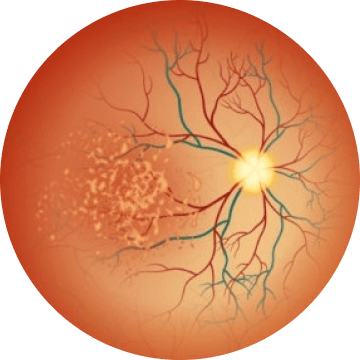
A silent precursor that gradually erodes vision
In this stage, waste deposits beneath the retina
progressively cause photoreceptor cell atrophy.
Even when changes appear minimal, regular monitoring
is essential to prevent progression to the more serious wet form.
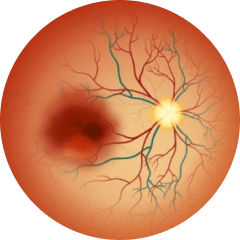
An urgent condition that can cause blindness within days
Blood and fluid leaking from abnormal new blood vessels
rapidly damage the macula and distort vision.
Prompt anti-VEGF injection therapy within the critical treatment window is the only way to preserve sight.