A disease that quietly steals your vision
Understanding Glaucoma
Glaucoma is a condition in which the optic nerve the vital pathway
that transmits visual information to the brain is progressively damaged, narrowing your visual field.
When elevated intraocular pressure compresses the optic nerve,
or when blood supply is disrupted, visual field loss occurs.
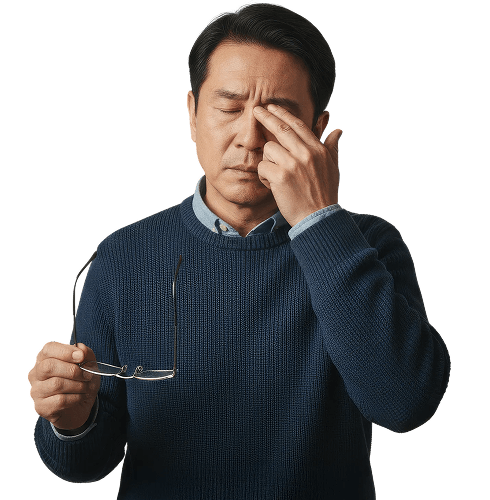
Silent Glaucoma
Left untreated, it becomes a Sentence to Blindness
The most dangerous assumption: 'I can still see, so I must be fine'
By the time you notice symptoms, it may already be too late.
Most patients live unaware of their glaucoma,
only visiting an eye clinic after significant vision loss has occurred.
Right now, while you feel no symptoms, is the most critical
window of opportunity to protect your vision.
Symptoms of Glaucoma

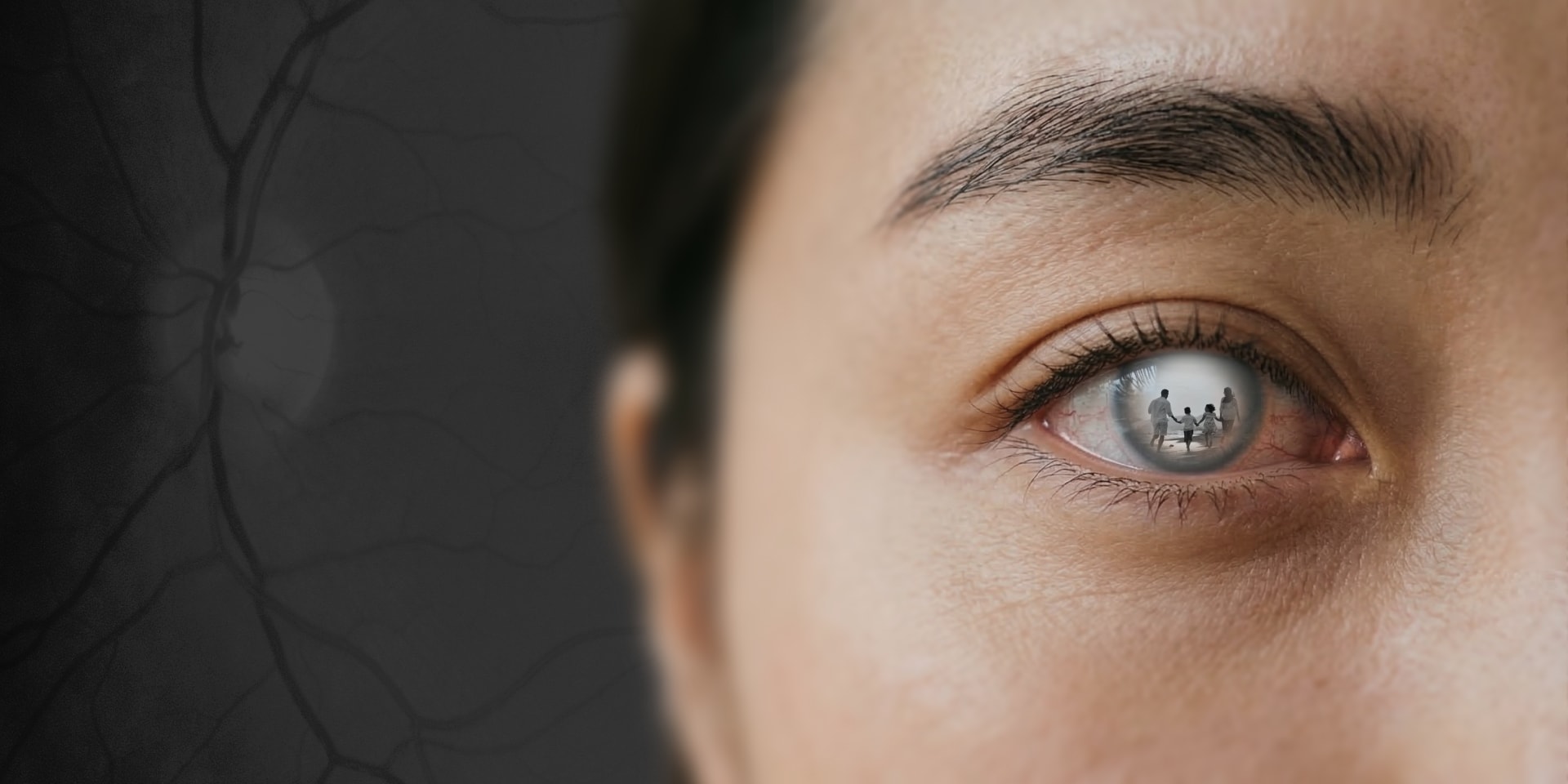
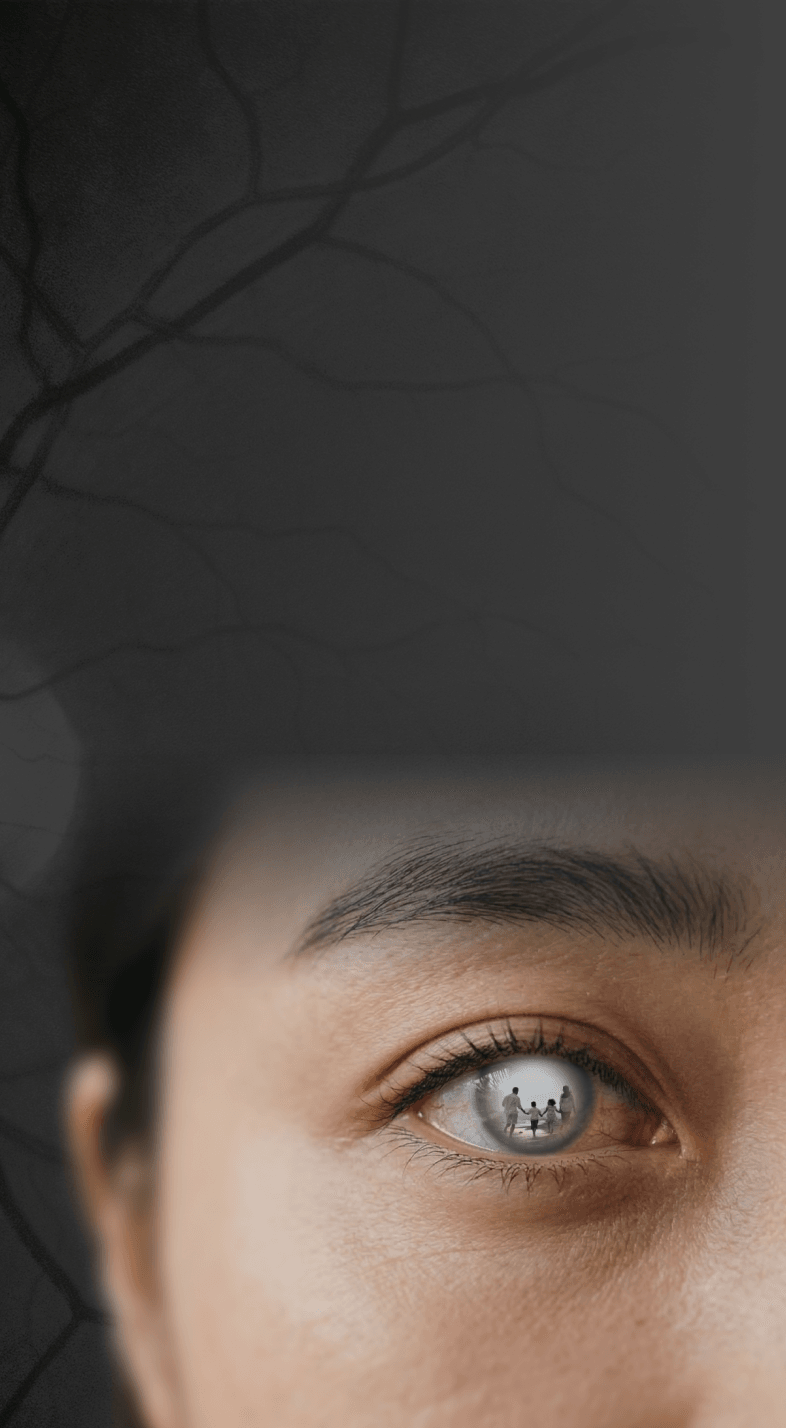
Glaucoma has virtually no early symptoms. As the disease progresses, optic nerve damage causes gradual narrowing of the visual field.
Starting from the peripheral vision,the visual field narrows as if looking through a tunnel — known as 'tunnel vision' appears, and
if left untreated, central vision can also be lost, leading to blindness.


Glaucoma does not always narrow the visual field toward the center only.
Some glaucoma patients experiencepatchy blurring or a change that feels like a thin fog over the visual field, which is often described as the so-called'cloud phenomenon'.
Because it can feel similar to the cloudy vision of cataracts or to floaters, it is easily confused with them.
Types and Causes of Glaucoma
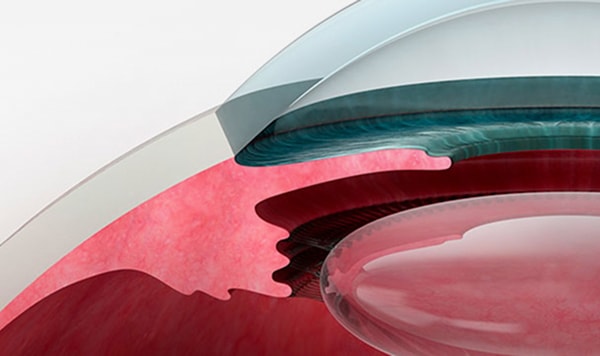
Open-Angle Glaucoma
The most common type, where intraocular pressure rises or optic nerve damage occurs despite the drainage angle being open. There are almost no noticeable symptoms in the early stages, so many patients are unaware of their condition.
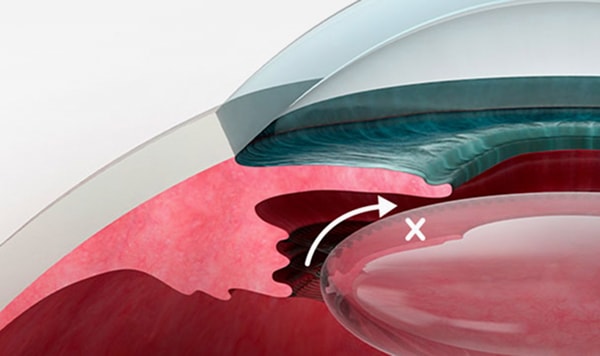
Angle-Closure Glaucoma
This type occurs when the drainage angle narrows and blocks aqueous humor outflow, causing a rapid increase in eye pressure. Symptoms may include eye pain, redness, headache, blurred vision, and halos around lights. The sudden rise in pressure poses a high risk of blindness, making immediate emergency treatment critical.
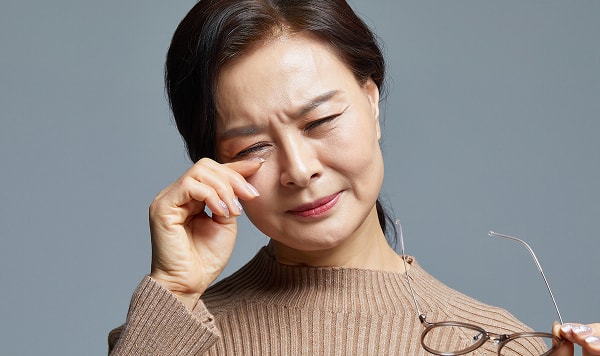
Normal-Tension Glaucoma
Despite normal eye pressure, optic nerve damage and visual field loss occur. This is the most prevalent type among glaucoma patients in Korea. Even with normal pressure, treatment to further lower eye pressure is needed to prevent optic nerve damage. Regular detailed examinations are especially important for those with a family history.
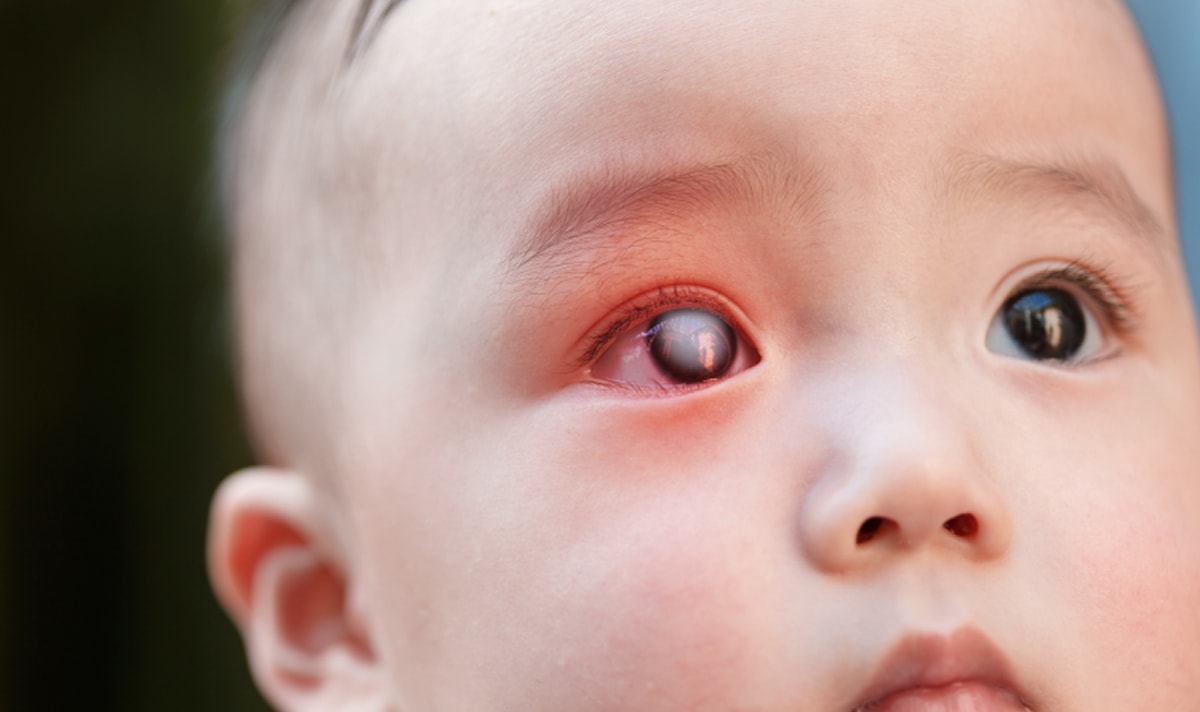
Congenital Glaucoma
A rare type caused by congenital malformation of the drainage system, typically appearing in infancy. If a child is overly sensitive to bright light, tears excessively, or has abnormally enlarged corneas, prompt examination is essential. Early surgical intervention is crucial to correct structural defects.

Secondary Glaucoma
This type develops as a complication of other eye diseases such as cataracts or retinal conditions, or systemic diseases like diabetes. Symptoms and prognosis vary widely depending on the underlying cause. Treating both the glaucoma and the underlying condition simultaneously is essential.
High-Risk Groups for Glaucoma
Glaucoma often progresses without symptoms, so if you have risk factors, regular detailed examinations are essential.




1Age 40 and Over
As aging progresses, optic nerve vulnerability increases and eye pressure regulation may decline, so annual check-ups are recommended.
2Family History
Since genetic factors play a significant role in glaucoma, if a family member has the condition, proactive screening is necessary regardless of symptoms.
3High Myopia
High myopia can weaken the optic nerve structure as the eyeball elongates, making regular monitoring of eye pressure and optic nerve status important.
4High Eye Pressure
Elevated eye pressure is a direct cause of optic nerve damage, requiring systematic pressure management through precise diagnosis.
5Diabetes & Hypertension
Blood flow disruption caused by systemic diseases can lead to optic nerve damage, so fundus examinations to check for complications are essential.
Frequently Asked Questions
Gangnam Tokyo Eye Clinic answers your questions about glaucoma.
Will I definitely go blind if I have glaucoma?
This is the most frequently asked question. Fortunately, with early detection and consistent management, blindness is rare.

Can I exercise freely after being diagnosed with glaucoma?
Aerobic exercises like walking and swimming are fine, but you should avoid exercises that put pressure on the head and eyes, such as heavy weightlifting or handstands.

Are there foods or supplements good for glaucoma?
Antioxidant-rich green and yellow vegetables (catechins, anthocyanins, etc.) may help, but they cannot replace medication to lower eye pressure.

Is glaucoma hereditary?
If there is a family history, the risk of developing glaucoma is higher, so regular check-ups are strongly recommended if a direct family member has the condition.
Why do I have glaucoma if my eye pressure is normal?
This is a case of 'normal-tension glaucoma,' which is particularly common among Koreans. Even though eye pressure is within the normal range, it may be too high for your optic nerve to withstand, or there may be blood flow issues.
GANGNAM TOKYO EYE CLINIC
GANGNAM TOKYO EYE CLINIC
GANGNAM TOKYO EYE CLINIC