Retinal Detachment
An ophthalmic emergency where the retina separates from the eye wall
Retinal detachment is an emergency condition in which the neural layer of the retina separates from the eye wall. If left untreated, it can lead to permanent vision loss, making prompt, precise diagnosis and immediate treatment crucial to preserving your sight.

Symptoms of Retinal Detachment
Warning signals the retina sends before vision is permanently lost



1Photopsia
Flashing lights or sparks appear in your vision even without actual external light stimulation
2Floaters
Dust, threads, or insect-like particles appear to float around in your field of vision
3Visual Field Loss
A dark curtain appears to block part of your visual field
Types of Retinal Detachment
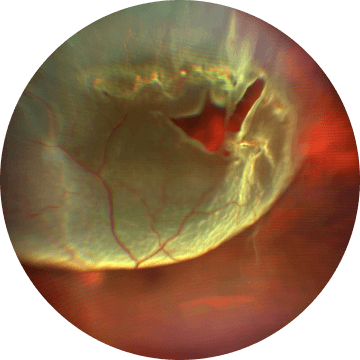
The most common type, caused by fluid
seeping through a hole in the retina
High myopia, trauma, or cataract surgery can cause tiny holes (breaks) in the retina, allowing intraocular fluid to enter and separate the neural layer. Prompt laser or surgical treatment is essential.
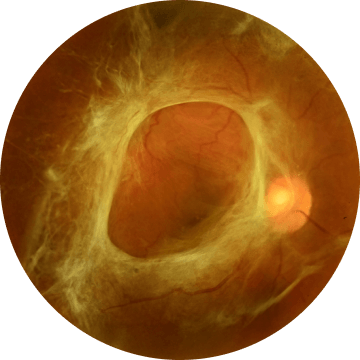
A condition where proliferated scar tissue
strongly pulls and lifts the retinal nerve layer
Due to diabetic retinopathy, hypertension, or severe inflammation, proliferative membranes (scar tissue) form inside the eye and pull the retina like a curtain, causing it to wrinkle. Treatment of the underlying condition must accompany the procedure.
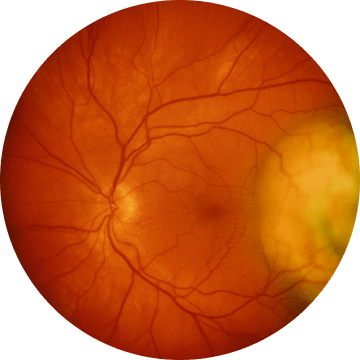
A phenomenon where fluid (exudate) accumulates beneath the retina, pushing the neural layer upward
Even without a hole in the retina, intraocular tumors or severe inflammation such as uveitis can cause fluid to accumulate beneath the retina, lifting the photoreceptor layer. Identifying and addressing the root cause of the fluid is the key to treatment.