Gangnam Tokyo Eye Clinic
ICL (Implantable Collamer Lens)
Preserving your natural cornea
next-generation vision correction
Unlike conventional laser methods
that reshape the cornea, ICL preserves the cornea in its natural state while implanting a specialized lens
inside the eye. Ideal for those seeking freedom from glasses and contact lenses,
including patients with high myopia and astigmatism who may not qualify for laser surgery
a safe option with zero corneal tissue removal.

- 1
From high myopia to astigmatism clear vision without glasses
- 2
Safe and natural, with no corneal tissue removal
- 3
Resilient against physical activity and external impact
- 4
Fully reversible the lens can be removed at any time
Who is ICL Right For?
ICL may be the ideal solution for patients who:

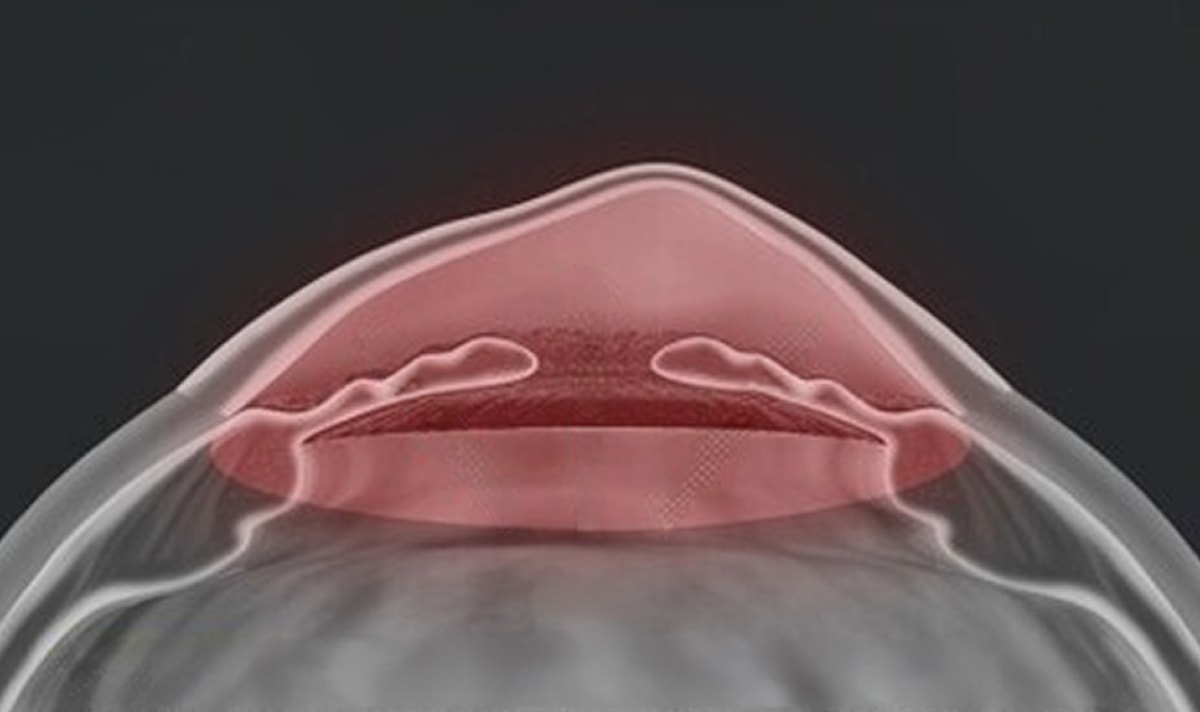


1High Myopia and Astigmatism
Even for high myopia or severe astigmatism that cannot be resolved with conventional laser vision correction, clear and sharp vision recovery is possible.
2Thin or Asymmetric Cornea
Because no corneal tissue is removed, ICL is a safe alternative for patients
who are not candidates for LASIK or LASEK due to thin or irregular corneas.
3Corneal Disease or Scarring
Recommended for those with corneal opacity, corneal dystrophy, or other corneal abnormalities, or those with corneal scarring from past trauma making laser surgery difficult.
4Keratoconus Concerns
Suitable for patients with suspected keratoconus who need to maintain corneal stability, or those seeking a safer surgical method due to concerns about post-surgical complications like corneal ectasia.
Types of Lens Implantation


Anterior Lens (Artisan, Artiflex Series)
Posterior Lens (TORIC EVO+ICL, EVO+ICL)
Inserted in front of the iris, the lens is directly fixed
to the iris, the hardest tissue in the eye
Surgical Method
Inserted behind the iris, no iridotomy needed,
allowing same-day surgery after examination
Damaged
Corneal Damage
Not damaged
Visible to the naked eye
Surgical Traces
Not visible to the naked eye
Fixed to the iris, low risk of lens dislocation,
and low risk of post-surgical astigmatism
Key Advantages
Small surgical area for fast recovery,
safe from external impacts
Anterior Lens (Artisan, Artiflex Series)
Inserted in front of the iris, the lens is directly fixed
to the iris, the hardest tissue in the eye
Surgical Method
Damaged
Corneal Damage
Visible to the naked eye
Surgical Traces
Fixed to the iris, low risk of lens dislocation,
and low risk of post-surgical astigmatism
Key Advantages
Explore Lens Types
EVO+ICL features a very fast recovery due to a small surgical site,
and is the latest posterior lens implantation that minimizes side effects such as dry eye by preserving the cornea.
The lens is inserted without cutting or damaging the cornea, preserving the natural eye tissue.
The lens has built-in aqueous humor holes, preventing intraocular pressure increase without the need for iridotomy.
No waiting period for iridotomy is needed, allowing same-day surgery and rapid vision recovery after precise examination.
The lens is positioned behind the iris, making surgical traces invisible to the naked eye for a very natural appearance.
The lens is securely positioned within the eye, providing peace of mind during intense sports or external impacts.


The Gangnam Tokyo Eye Clinic ICL Difference
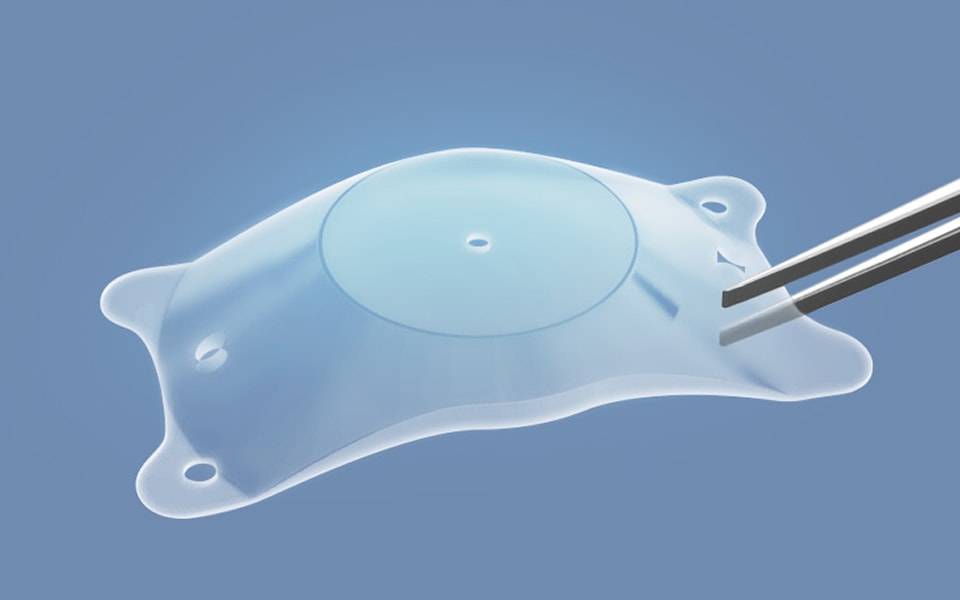
Flawless Vision Correction Through Corneal Preservation
We safely correct ultra-high myopia and astigmatism by preserving the cornea in its original shape without cutting. With no concerns about myopia regression or corneal weakening, we achieve high-definition vision through personalized custom lenses while maintaining the natural cornea.

Error-Free Precision Design
Through UBM (Ultrasound) Examination
We perform advanced UBM (ultrasound) examinations to determine the lens size, which is critical to the success of intraocular lens implantation. Following strict FDA guidelines, we precisely measure intraocular space and endothelial cells, selecting the most suitable lens for each patient's eye conditions to maximize surgical safety.
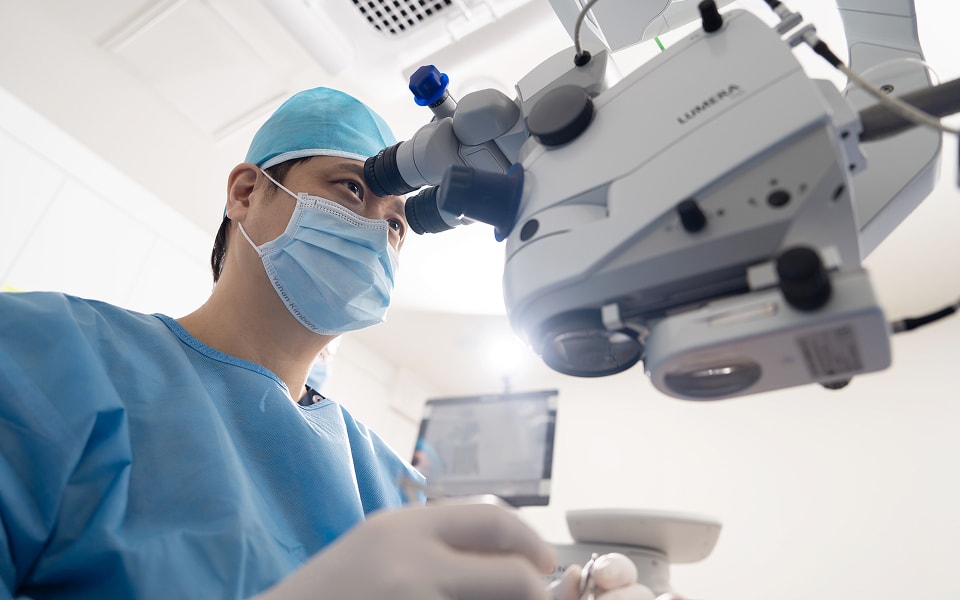
Skilled Expertise and Thorough Lifetime Aftercare
Based on our medical team's extensive experience, we precisely position lenses to prevent eye tissue damage. Even after surgery, we meticulously monitor lens condition and eye health through regular check-up systems, providing responsible care to maintain clear vision stably for a lifetime.
Lens Implantation Surgery Process
1Micro Incision Creation (Less than 3mm)
A micro incision of less than 3mm is precisely created at the periphery to minimize corneal damage. This is a key step in reducing pain and accelerating recovery.
2Custom Special Lens Insertion
Through the micro incision, a special lens custom-made to match each patient's vision and eye structure is safely inserted.
3Optimal Lens Positioning
Using specialized instruments, the inserted lens is stably fixed at the optimal position behind the iris (posterior) or in front (anterior) to complete the surgery.