Glaucoma
Personalized Care
Gangnam Tokyo Eye Clinic tracks each patient's unique IOP trends and optic nerve status through data-driven monitoring to provide a dedicated 1:1 care system.

Glaucoma Lifestyle Guidelines by Situation
Glaucoma frequently progresses without noticeable symptoms. If you have risk factors, regular comprehensive eye exams are essential.

Daily Life
- 1Get regular eye check-ups
- 2Maintain a calm and stable mindset
- 3Eat vegetables and fruits with antioxidant effects
- 4Maintain regular and adequate sleep
- 5Quit smoking and moderate alcohol consumption
- 6Do not tighten neckties, clothes, or belts too much

When Exercising
- 1Regularly do aerobic exercises such as cycling, running, and hiking
- 2Avoid straining with activities that may increase eye pressure
such as 'bench pressing while lying down' or 'handstands'

When Using Electronic Devices
- 1Maintain appropriate distance from electronic devices
- 2Avoid looking at screens in dark places
- 3Avoid looking at screens for long periods with head tilted down
Glaucoma Lifestyle Guidelines by Situation
Glaucoma frequently progresses without noticeable symptoms. If you have risk factors, regular comprehensive eye exams are essential.
Daily Life
- 1Get regular eye check-ups
- 2Maintain a calm and stable mindset
- 3Eat vegetables and fruits with antioxidant effects
- 4Maintain regular and adequate sleep
- 5Quit smoking and moderate alcohol consumption
- 6Do not tighten neckties, clothes, or belts too much
When Exercising
- 1Regularly do aerobic exercises such as cycling, running, and hiking
- 2Avoid straining with activities that may increase eye pressure
such as 'bench pressing while lying down' or 'handstands'
When Using Electronic Devices
- 1Maintain appropriate distance from electronic devices
- 2Avoid looking at screens in dark places
- 3Avoid looking at screens for long periods with head tilted down
Daily Recovery Guide After Glaucoma Surgery/Procedure
After surgery, keep your eyes closed and rest as much as possible. Avoid reading, smartphones, and TV to prevent increased eye pressure and promote recovery.
You may wash your body below the neck from the day of surgery.
Always wear the provided protective eye patch while sleeping to prevent unconscious rubbing of your eyes.
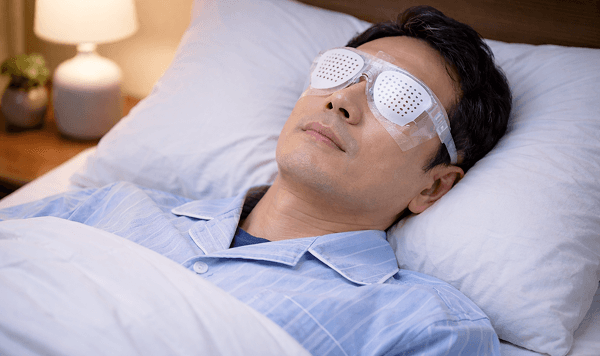
5 Emergency Symptoms Requiring Immediate Visit
If you experience any of the following symptoms, visit us without delay.
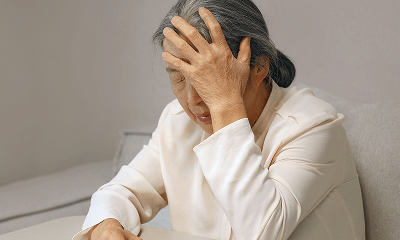
Severe, Unbearable Eye Pain
When the pain at the surgical site goes beyond mild throbbing and becomes severe enough to cause headaches.

Sudden Vision Loss
When objects suddenly appear blurry, or your vision darkens rapidly as if a curtain has been drawn.
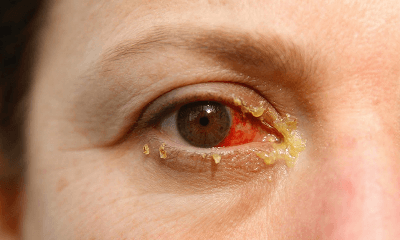
Severe Redness and Discharge
When the entire eye becomes red with excessive sticky, yellowish discharge (suspected infection).

Nausea and Vomiting
An abnormally rapid rise in eye pressure can cause nausea and vomiting symptoms.
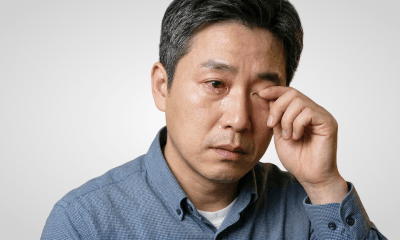
Persistent Foreign Body Sensation and Tearing
If sutures at the surgical site loosen or there is a problem with the filtering bleb, examination is necessary.
Severe, Unbearable Eye Pain
When the pain at the surgical site goes beyond mild throbbing and becomes severe enough to cause headaches.
Sudden Vision Loss
When objects suddenly appear blurry, or your vision darkens rapidly as if a curtain has been drawn.
Severe Redness and Discharge
When the entire eye becomes red with excessive sticky, yellowish discharge (suspected infection).
Nausea and Vomiting
An abnormally rapid rise in eye pressure can cause nausea and vomiting symptoms.
Persistent Foreign Body Sensation and Tearing
If sutures at the surgical site loosen or there is a problem with the filtering bleb, examination is necessary.
Frequently Asked Questions (Q&A)
- Diagnosis & Initial ResponseI was flagged as 'suspected glaucoma' during a health screening. Do I need surgery right away?
- Diagnosis & Initial ResponseI was diagnosed with glaucoma at another hospital. Do I need to be examined again here?
- Treatment & SurgeryIf eye drops alone can't control it, will I definitely go blind?
- Treatment & SurgeryWill my vision improve after glaucoma surgery?
- Daily Management & AftercareWhen can I return to daily activities after surgery?
- Daily Management & AftercareI need to use eye drops for life. Are there no side effects?
Proper Eye Drop Application
for Successful Management

STEP 1Clean Preparation
- Hand Washing
Wash your hands thoroughly with soap to prevent bacterial infection.
- Check Eye Drops
Check the expiration date and opening date of the eye drops you are using.
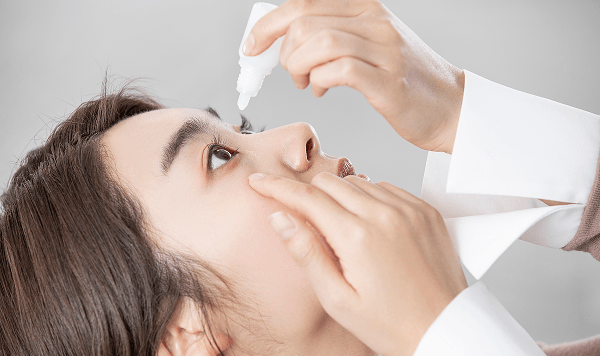
STEP 2Proper Posture and Application
- Position Yourself
Tilt your head back or lie down, and gently pull down the lower eyelid to create a pocket.
- Application
Be careful not to let the tip of the bottle touch your eye or eyelashes, and drop exactly one drop.
TIP: Applying more drops does not increase effectiveness. One drop is sufficient.

STEP 3Punctal Occlusion for Better Absorption
- Block the Nasolacrimal Duct
Right after application, gently press the inner corner of your eye (next to the nose)
for 1-2 minutes. - Reason
This reduces side effects from the drops draining into the nose and being absorbed systemically, and maximizes the therapeutic effect by keeping them in the eye longer.

STEP 4Adequate Rest and Waiting
- Close Your Eyes
After application, keep your eyes gently closed without blinking.
- Maintain Intervals
When using two or more types of eye drops, wait at least 5 minutes between each.
- Reason
The previously applied drops need time to be fully absorbed without being washed away.
STEP 5Finishing and Storage
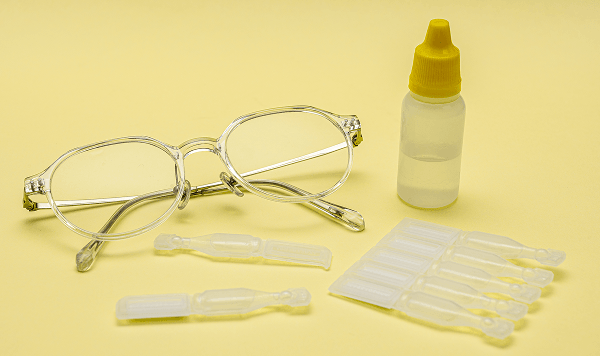
- Wipe Residue
Gently wipe any excess solution around the eyes with a clean tissue to prevent skin irritation.
- Proper Storage
Follow room temperature or refrigerated storage instructions according to the characteristics of your prescribed eye drops.
Eye Drop Q&A
- Q. I missed my eye drop time. What should I do?
- Q. My eyes sting and become red when I use eye drops.
Eye Pressure Health & Glaucoma Risk
Self-Checklist
Select the items that apply to check your glaucoma risk level.
This checklist is for self-assessment purposes only. Accurate diagnosis requires professional equipment and evaluation by the medical team at Gangnam Tokyo Eye Clinic.