Gangnam Tokyo Eye Clinic
Pterygium
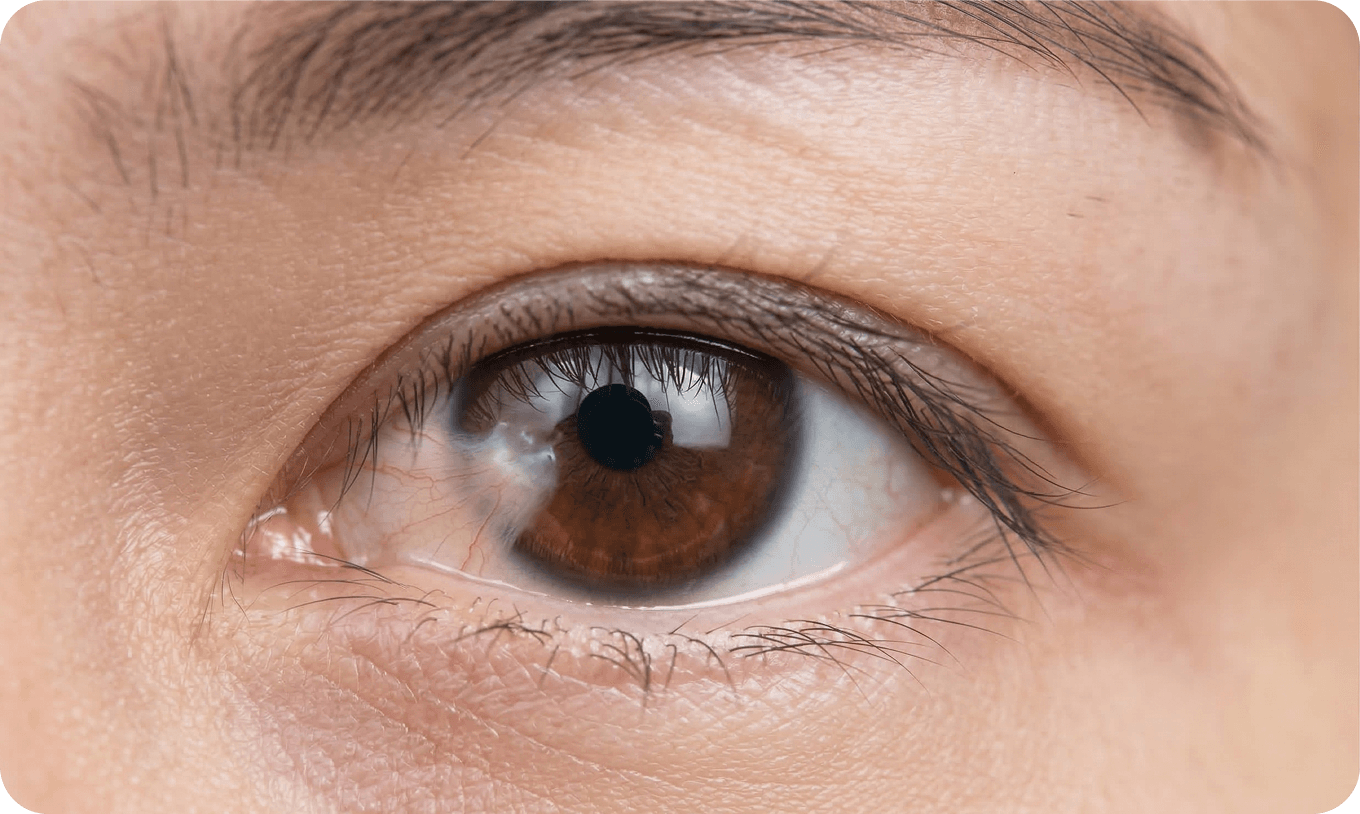
A white growth encroaching on the cornea
it is not simple redness, it is pterygium.
Pterygium is a condition where fibrovascular tissue from the conjunctiva
grows abnormally to cover the cornea in a triangular shape.
Often called 'surfer's eye' for its wing-like appearance,
if left untreated, it can advance to the central cornea
and impair vision as a progressive degenerative eye condition.
Main Causes of Pterygium
- 1
UV Rays
The most significant cause, commonly found
in those with frequent outdoor activities.
- 2
External Irritants
Occurs from prolonged exposure to dust, wind, and dry air.

- 3
Genetic Factors
The risk increases if there is a family history of pterygium.

Pterygium Symptoms
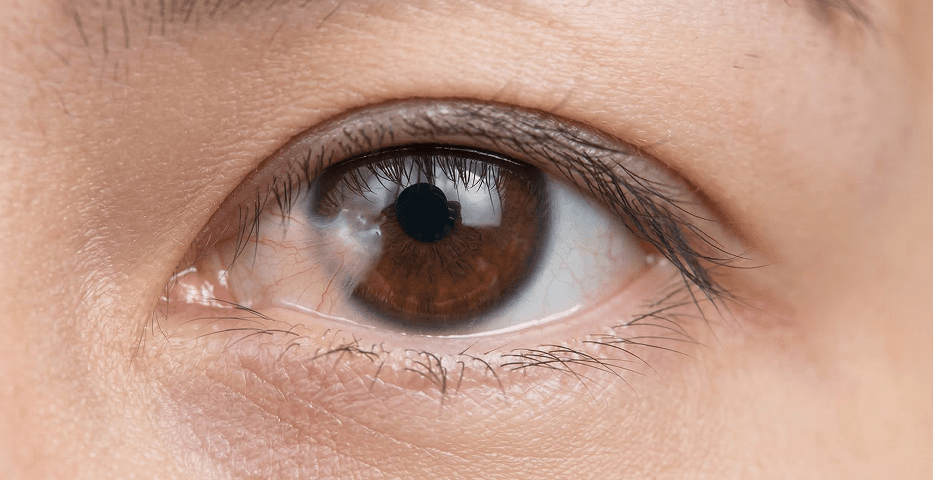
A triangular growth of tissue develops
on the white of the eye, near the inner or outer corner.

Foreign body sensation, itching, and frequent redness may occur.

If the growth reaches the center of the cornea,
it can cause astigmatism or obstruct vision.
It looks like a white film is covering the eye.
Eyes are frequently red and feel dry.
Objects appear doubled or blurry.
Pterygium Treatment & Surgery
Precise pterygium surgery at Gangnam Tokyo Eye Clinic to minimize recurrence

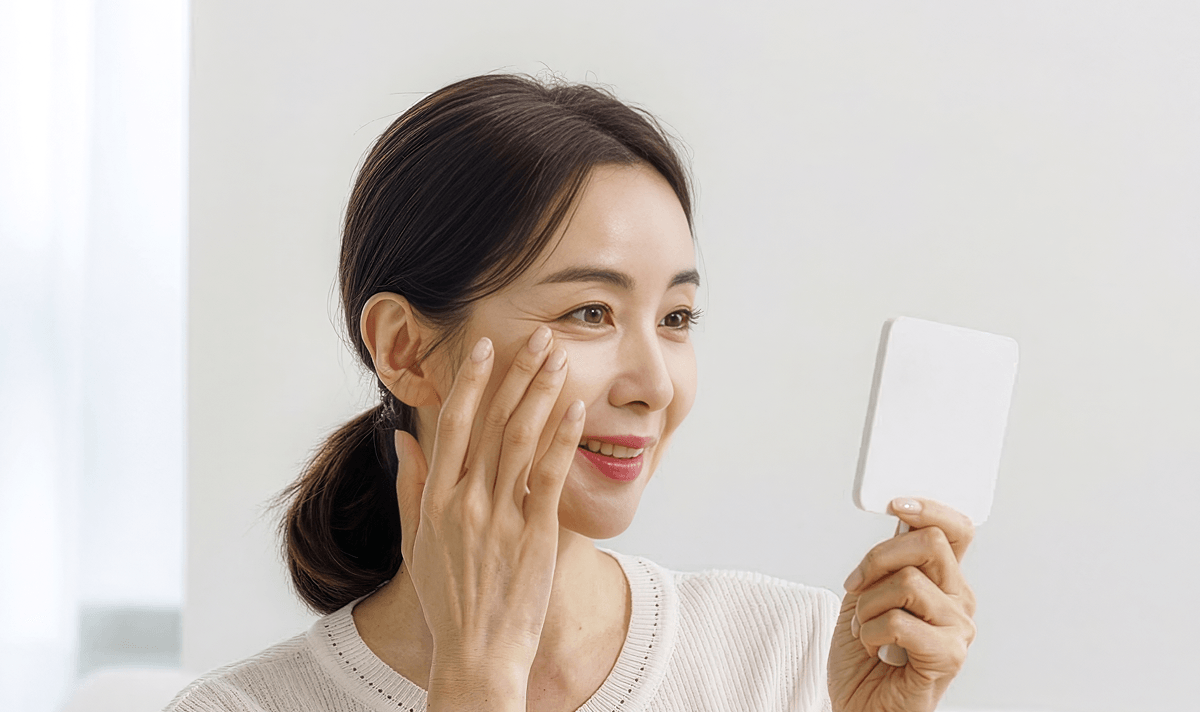
1Early Treatment (Medication)
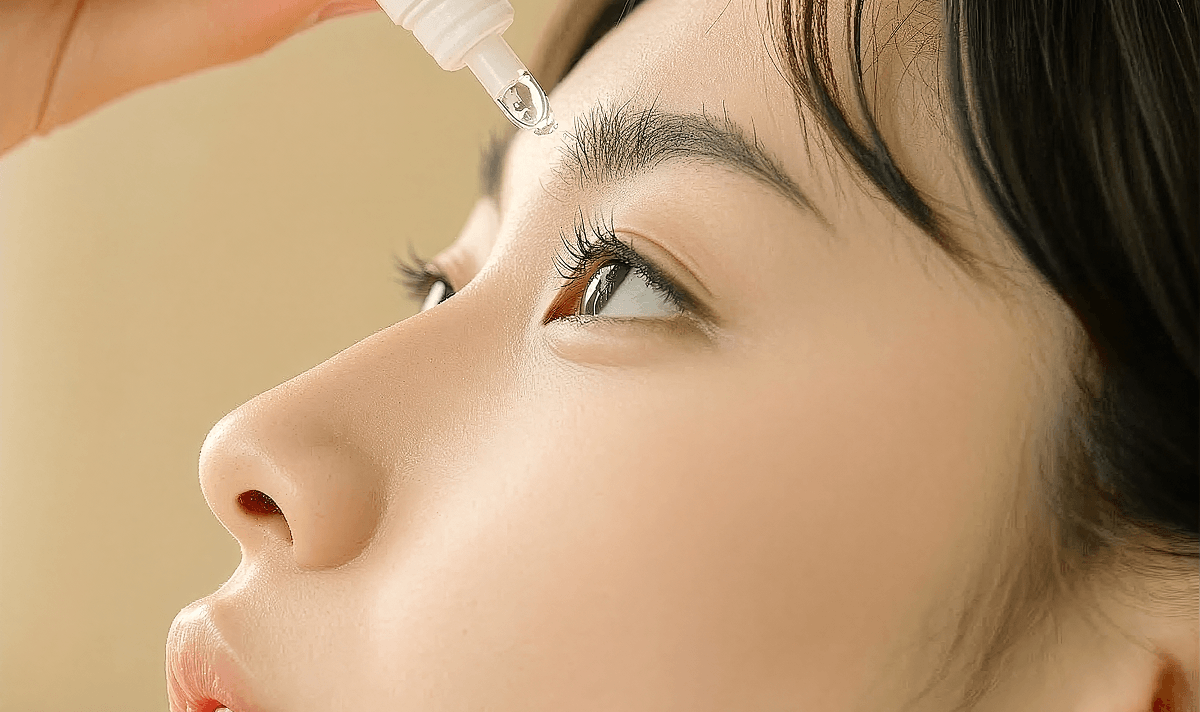
When the size is small and symptoms are mild,
anti-inflammatory eye drops are used to slow progression.
2Surgical Treatment (Definitive Solution)
Performed when it affects appearance or threatens vision.
The key is not just removing the tissue,
but carefully restructuring the surrounding area.
3Conjunctival Autograft
After removing the pterygium, healthy conjunctival tissue is grafted. This advanced technique significantly reduces recurrence rates.
4Sutureless / Minimal Suture
To minimize discomfort and promote faster recovery, micro-sutures or biological adhesives are used.
Pterygium Prevention & Care
Post-operative care and prevention are just as important as surgery

Thorough UV Protection
Wearing sunglasses and a hat when going outdoors is the first step in preventing pterygium.
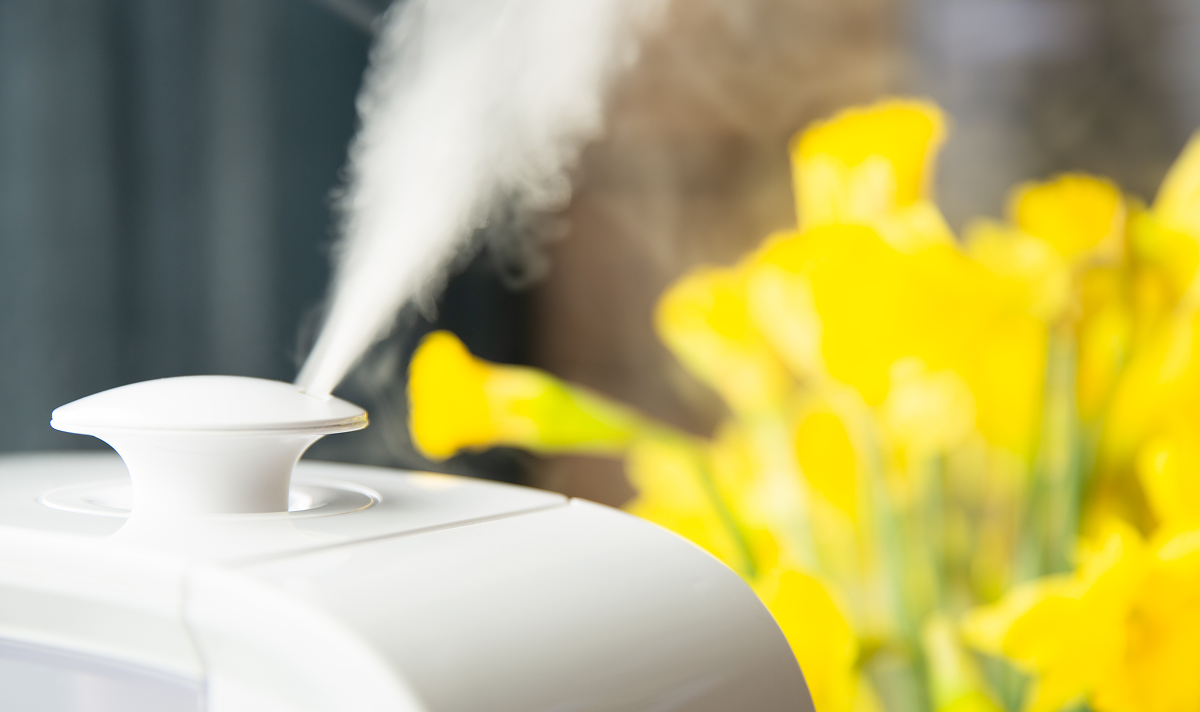
Maintain Eye Moisture
Avoid dry environments and use artificial tears regularly to reduce friction on the eyes.
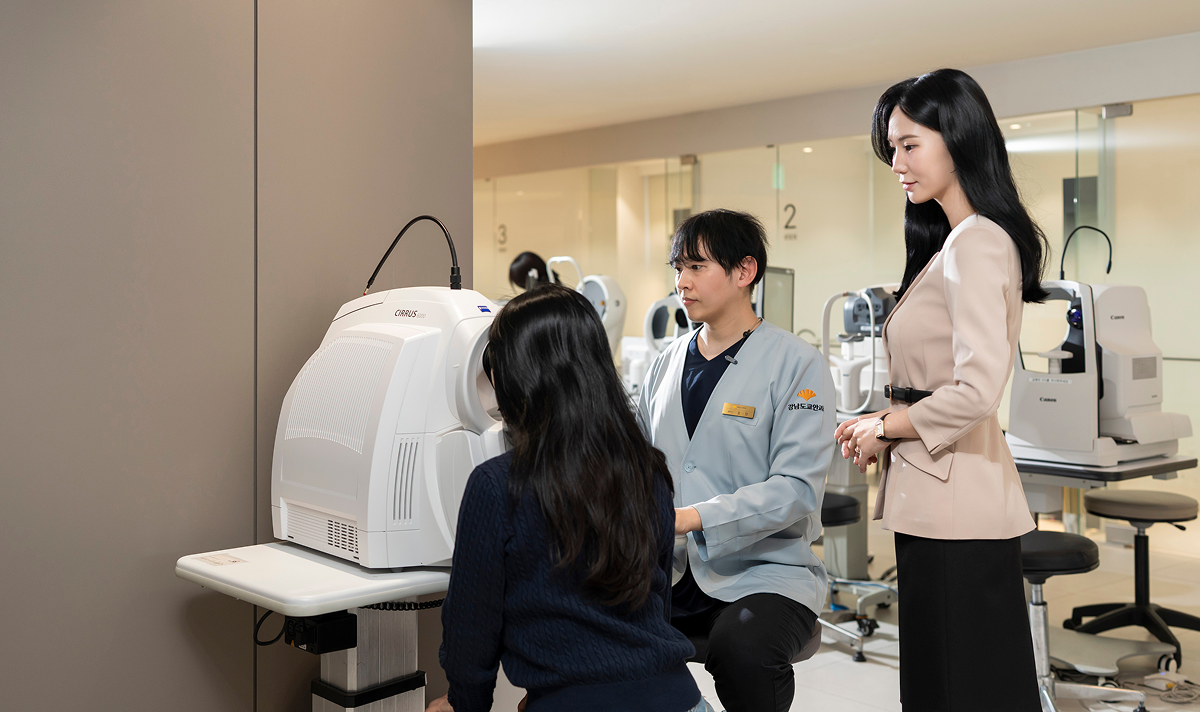
Regular Check-ups
After surgery, visit the clinic on schedule to carefully monitor for recurrence.