Gangnam Tokyo Eye Clinic
Pinguecula
A yellow bump on the white of the eye not a simple irritation, but pinguecula.
It may not obstruct vision, but it is a yellow nodule you notice every time you look in the mirror.
Often confused with pterygium, Gangnam Tokyo Eye Clinic provides
accurate differential diagnosis and personalized management plans.

What is Pinguecula?
of the conjunctival tissue on either side of the cornea, where protein and fat accumulate.
It commonly appears on the nasal side of the sclera and, unlike pterygium,
does not invade the cornea, which is the key difference.
Although it does not grow rapidly, inflammation caused by fatigue or irritation
can make it
appear more prominent as it becomes red and swollen.
Main Causes of Pinguecula
Pinguecula is a signal of 'irritation' sent by the eye.
- 1
Strong UV Rays
The most significant cause, frequently occurring
in those with high outdoor activity.
- 2
Chronic Irritation
Occurs from prolonged exposure to dust, wind, and dry air.

- 3
Aging and Fatigue
One of the natural aging phenomena that appear with age, becoming more pronounced when accompanied by inflammation due to overwork.

Pinguecula Treatment and Management
Precise management takes priority over unconditional surgery.


1Inflammation Management (Medication)
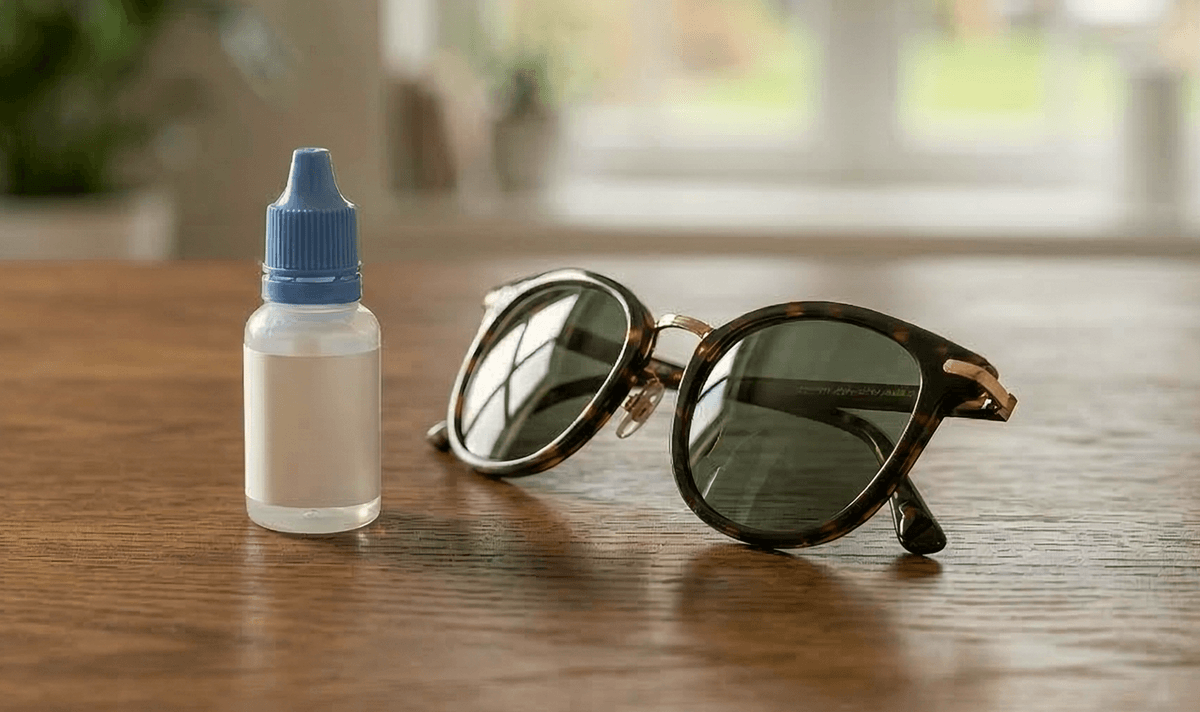
When 'pingueculitis' occurs with redness and swelling around the pinguecula, eye drop treatment can provide rapid relief within 3-4 days.
2Cosmetic Removal Surgery
If there is no vision impairment but significant cosmetic stress, surgical removal may be considered. However, due to concerns about scarring or pseudo-pterygium complications, consultation with an experienced specialist is essential.
3Progression Control Care
Use artificial tears frequently to reduce friction, and make UV protection a daily habit to prevent worsening degeneration.
Pinguecula Prevention Guide
Lifestyle guidelines from Gangnam Tokyo Eye Clinic to prevent pinguecula from becoming more prominent

Sunglasses When Going Out
Block not only direct sunlight but also UV rays reflected from the ground.

Clean Eye Environment
Wear protective glasses on days with heavy yellow dust or fine dust, and cleanse your eyes after returning home.

Adequate Rest and Moisture
Bloodshot eyes make pinguecula more noticeable. Manage eye fatigue with sufficient sleep and artificial tear use.