Presbyopia & Cataract Care
Cataract Treatment Approach
1Digital Precision Control
We protect corneal endothelial cells to the fullest with
0.1mm-level laser design and AI-based intraocular pressure control.
2Personalized Matching
Through comprehensive diagnosis by glaucoma specialists,
we propose a 1:1 lens solution
optimized for each patient's lifestyle.
Examination & Surgical Equipment
Gangnam Tokyo Eye Clinic prioritizes prevention of corneal endothelial cell damage.
Through specialized precision examination equipment (IOL Master, OCT, etc.),
we thoroughly analyze the eye condition before surgery,
and perform surgery safely with minimal energy through the synergy of the Centurion ultrasound system.
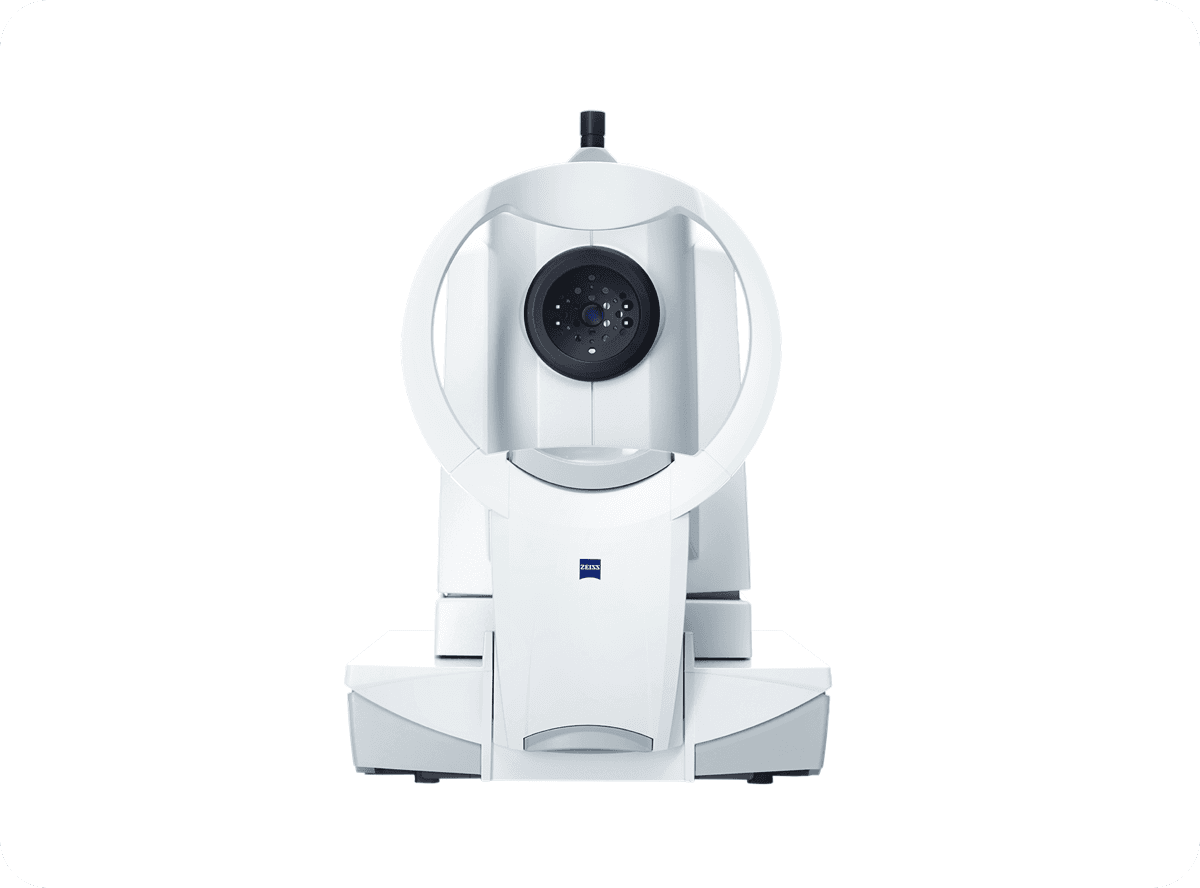
Laser Cataract Examination Equipment (IOL MASTER)
Ultra-precise IOL power calculation using laser interferometry
This equipment precisely measures axial length, corneal curvature, and anterior chamber depth using non-contact laser. As the most critical test for determining the IOL power to be implanted after surgery, its accuracy far exceeds conventional ultrasound methods, maximizing the probability of achieving target vision.
#Power Optimization
#Non-contact Measurement
#Ultra-precise Data
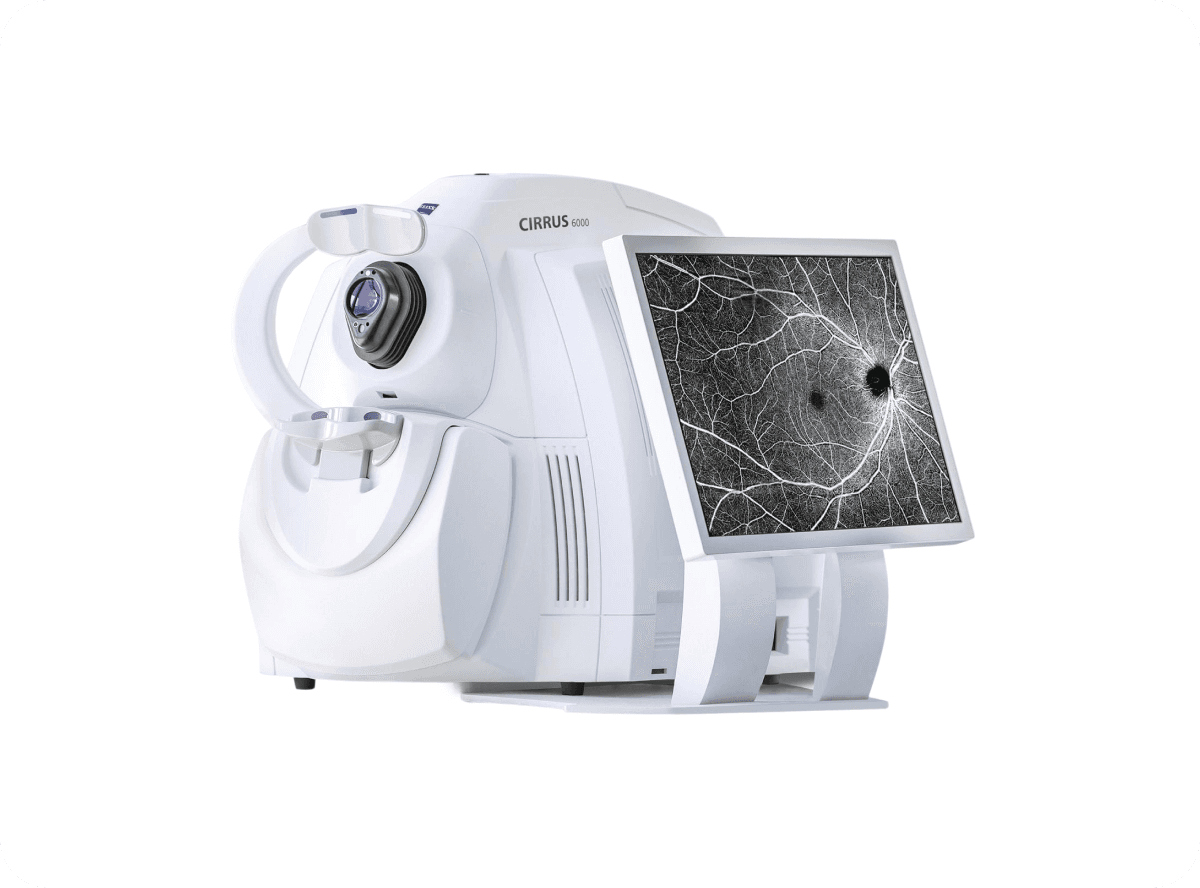
Ocular Optical Coherence Tomography (OCT)
An ophthalmic MRI that 3D-scans the retina and optic nerve
Using light to capture cross-sections of ocular tissue, it analyzes the retina, optic nerve, and macula at micrometer-level high resolution. Before cataract surgery, it thoroughly identifies potential complications such as macular degeneration, glaucoma, and diabetic retinopathy to establish a safe surgical plan.
#3D Eye Scan
#Retina & Optic Nerve Diagnosis
#Complication Pre-screening
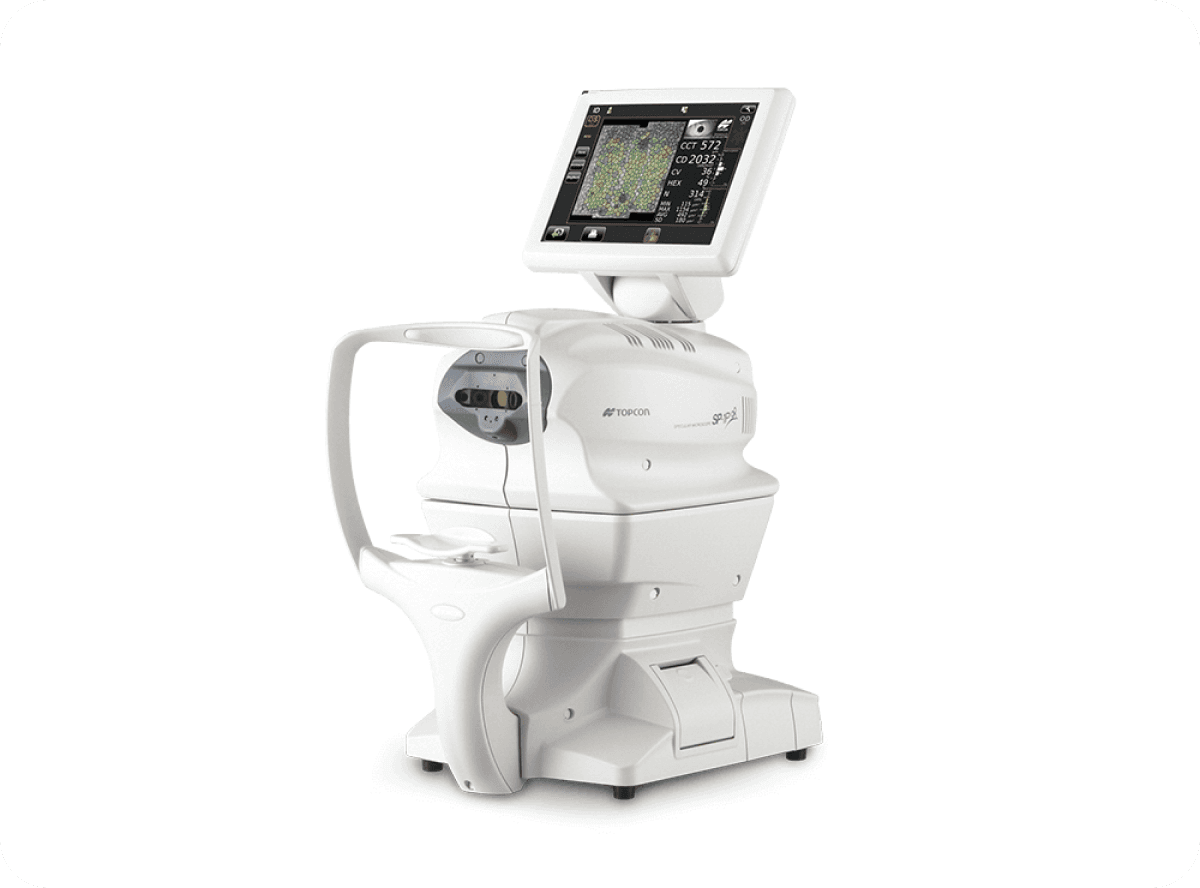
Corneal Endothelial Cell Counter (Specular Microscope)
Precision measurement of corneal endothelial cells, a key indicator of corneal health
This device photographs and quantifies the density, size, and shape of endothelial cells located on the innermost layer of the cornea at high magnification. Since corneal endothelial cells do not regenerate once damaged, insufficiency can cause serious complications such as corneal edema. This is an essential test to verify corneal safety by checking cell health before and after surgery.
#Corneal Safety Verification
#Automated Cell Analysis
#Edema & Opacity Prevention
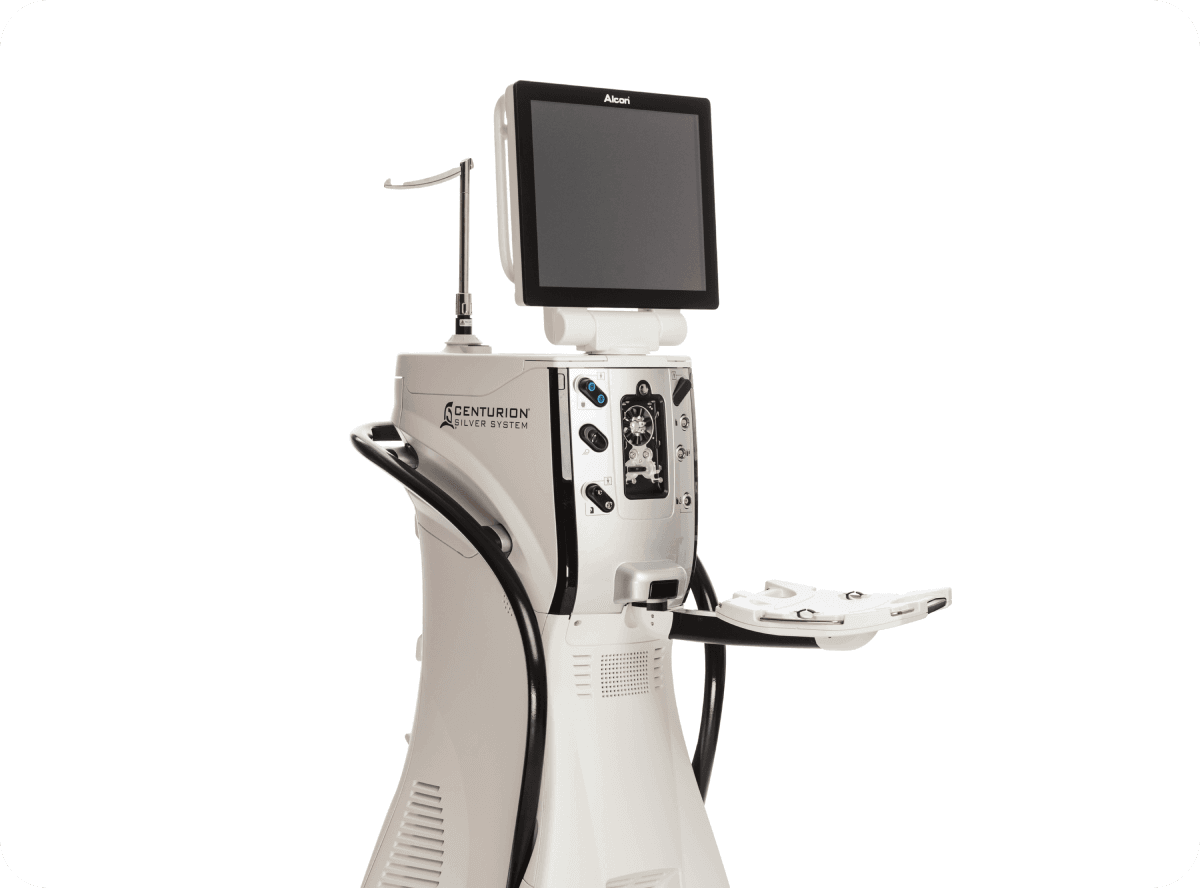
CENTURION
AI-powered ultrasound surgical equipment with self-adjusting intraocular pressure
The most advanced cataract ultrasound surgical equipment available today, it detects and adjusts intraocular pressure in real-time during surgery. Through its 'Active Fluidics' system, it maintains stable intraocular pressure during surgery, reducing the risk of retinal damage and minimizing pain. It protects corneal endothelial cells to the fullest by using only minimal ultrasound energy.
#Retinal Stability
#Low-energy Ultrasound
#AI Pressure Control
Laser Surgery Process
After removing the clouded lens caused by aging, an intraocular lens is implanted to restore vision using advanced surgical techniques. Through Gangnam Tokyo Eye Clinic's systematic 4-step process from examination to recovery we minimize surgical error and deliver consistent visual outcomes.


STEP 1Micro Corneal Incision & Circular Capsulotomy
Process
A micro incision is created, then the front membrane (anterior capsule) surrounding the lens is precisely cut in a circular pattern to create a pathway for the intraocular lens.
Feature
Each incision is tailored to the patient's unique eye structure for optimal positioning and size, creating a stable foundation that prevents the implanted lens from decentering.
STEP 2Lens Nucleus Fragmentation
Process
Before aspirating the hardened lens nucleus with ultrasound, it is pre-divided into small fragments using surgical instruments.
Feature
Pre-fragmenting the hardened lens reduces the total ultrasound energy needed in the next step, shortening surgery time.
STEP 3AI-Controlled IOP & Cataract Removal
Process
Using the Centurion's intelligent fluidics system, intraocular pressure is automatically controlled in real-time while the clouded lens is removed.
Feature
The laser-pre-fragmented lens requires only minimal ultrasound energy for aspiration, protecting corneal endothelial cells and minimizing intraoperative discomfort.
STEP 4Custom IOL Insertion & Positioning
Process
A lifestyle-matched intraocular lens (monofocal/multifocal/EDOF) is inserted into the precise position secured by the laser.
Feature
Lens tilt correction technology positions the IOL on the visual axis, reducing glare and securing clear, stable vision to complete the procedure.
Intraocular Lens
An intraocular lens (IOL) is a precision optical lens
implanted after removing the clouded natural lens.
Made from biocompatible materials safe for the body,
it functions semi-permanently within the eye, treating the cataract
while correcting refractive errors to focus light accurately on the retina.

Cataract treatment & clarity
Single focus (distance or near)
Excellent contrast sensitivity for very clear vision
Reading glasses or spectacles required
Cataract treatment + presbyopia correction
All distances (far + intermediate + near)
Good vision at all distances with slightly reduced clarity
Mostly glasses-free daily life
Types of Intraocular Lenses
Tap on a lens card to view detailed specifications.
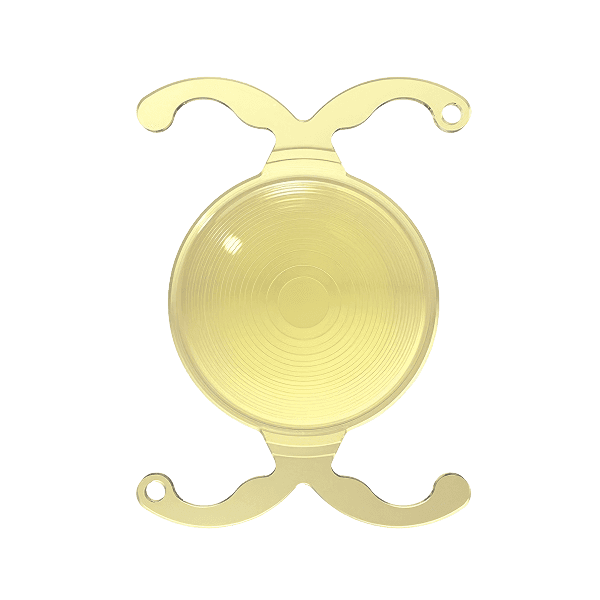
Stable optical design monofocal lens
Highly biocompatible material minimizes post-operative discomfort and maintains clear vision
Patients seeking long-term stable results with proven reliability
FineVision

Aspherical high-definition lens
Wavefront correction technology reduces nighttime glare and delivers excellent contrast sensitivity
Patients with frequent nighttime activities or those who prioritize sharp distance vision
Tecnis Monofocal
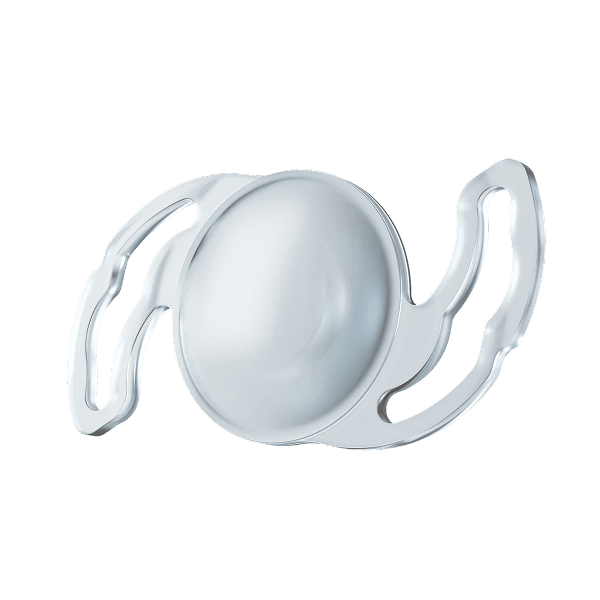
Callipers-free Tilt-independent (CTF) technology
Proprietary design prevents visual degradation even with slight lens tilting
Patients with astigmatism or those requiring precise lens positioning
Precizon Monofocal
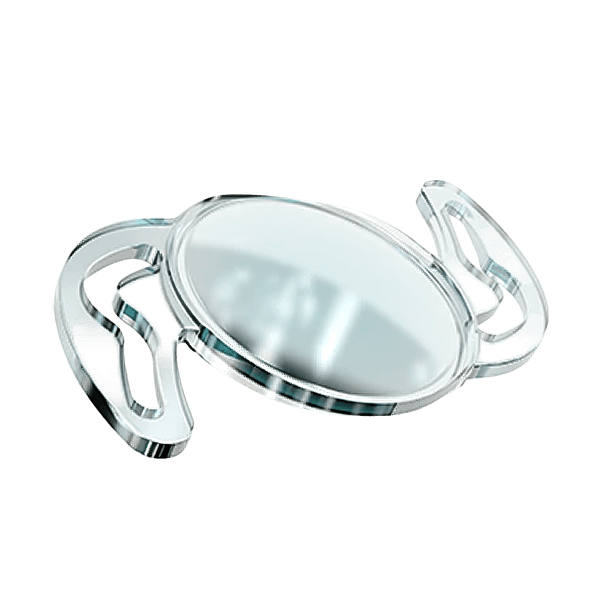
Posterior capsule opacification prevention design
Smooth lens surface helps prevent secondary cataract (opacification) after surgery
Patients who want to maintain clear, sharp vision for years to come
Superflex Monofocal
Stable optical design monofocal lens
Highly biocompatible material minimizes post-operative discomfort and maintains clear vision
Patients seeking long-term stable results with proven reliability
FineVision
Aspherical high-definition lens
Wavefront correction technology reduces nighttime glare and delivers excellent contrast sensitivity
Patients with frequent nighttime activities or those who prioritize sharp distance vision
Tecnis Monofocal
Callipers-free Tilt-independent (CTF) technology
Proprietary design prevents visual degradation even with slight lens tilting
Patients with astigmatism or those requiring precise lens positioning
Precizon Monofocal
Posterior capsule opacification prevention design
Smooth lens surface helps prevent secondary cataract (opacification) after surgery
Patients who want to maintain clear, sharp vision for years to come
Superflex Monofocal
Stable optical design monofocal lens
Highly biocompatible material minimizes post-operative discomfort and maintains clear vision
Patients seeking long-term stable results with proven reliability
FineVision
Aspherical high-definition lens
Wavefront correction technology reduces nighttime glare and delivers excellent contrast sensitivity
Patients with frequent nighttime activities or those who prioritize sharp distance vision
Tecnis Monofocal
Callipers-free Tilt-independent (CTF) technology
Proprietary design prevents visual degradation even with slight lens tilting
Patients with astigmatism or those requiring precise lens positioning
Precizon Monofocal
Posterior capsule opacification prevention design
Smooth lens surface helps prevent secondary cataract (opacification) after surgery
Patients who want to maintain clear, sharp vision for years to come
Superflex Monofocal