Presbyopia & Cataract Care
Post-Surgery Care & Precautions
A successful outcome begins with attentive aftercare.
- 1
Hand Washing Required
Always wash your hands thoroughly before touching your eyes.

- 2
No Rubbing
Never apply pressure to your eyes until the surgical site has stabilized.

- 3
Protective Eye Shield
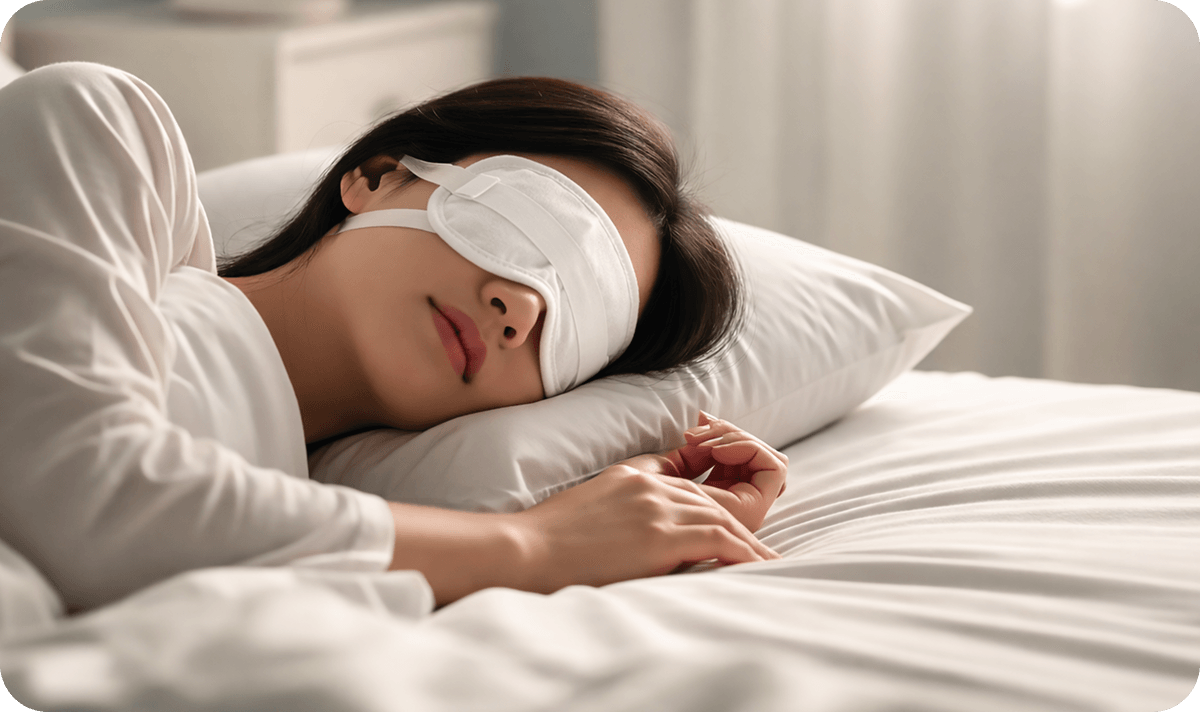
Wear a plastic protective eye shield for 2 weeks while sleeping.

- 4
Eye Discharge Care
Do not pick eye discharge with your fingers.Use a clean cotton swab moistened with
artificial tears or prescribed eye drops
to gently wipe it away.
- 5
Avoid Bending Over
For 1 week after surgery, avoid bending your head excessively when tying shoes or washing hair.

- 6
Avoid Alcohol
Alcohol can cause inflammation
inside the eye. Absolute abstinence
for at least
1 month is required.
Recovery Guide by Period
Please check the care guidelines for each period for a successful recovery.
Day of Surgery
- RestAfter returning home, close your eyes and get plenty of rest. Be careful not to put pressure on your eyes.
- Protective ShieldTo prevent rubbing your eyes while sleeping,
be sure to wear the plastic protective shield provided by the hospital. - DiscomfortSlight stinging or foreign body sensation is normal, but contact the hospital immediately if pain is unbearable.

3 Days After Surgery
- Face WashingGetting water in your eyes is very dangerous.
Instead of washing your face, use wet wipes or a damp towel to clean around your eyes while avoiding them. - PostureDo not bend your head down when tying shoelaces
or washing your hair.
It is best to sleep lying
on your back. - ShampooHave a caregiver wash your hair while you lean back, or visit a salon to keep water out of your eyes.

1 Week After Surgery
- HygieneYou can now carefully wash your face with mild soap and use shampoo while avoiding the eye area.
- ActivityLight walks, reading, and watching TV are possible, but blink frequently to prevent dry eyes.
- Going OutTo protect your eyes from UV rays and dust,
it is recommended to wear sunglasses or protective glasses.

2 Weeks to 2 Months After Surgery
- MakeupEye makeup (mascara, eyeliner) is allowed
from 2 weeks after surgery.
Be careful not to get powder in your eyes. - ExerciseLight exercises like jogging, yoga, and golf are allowed after 2 weeks.
Intense activities like swimming or martial arts
are allowed after 1 month. - RestrictionsPerming, hair dyeing, sauna, and public bath use may cause inflammation, so wait at least 1 month.
Recovery Guide by Period
Please check the care guidelines for each period for a successful recovery.
Day of Surgery
- RestAfter returning home, close your eyes and get plenty of rest. Be careful not to put pressure on your eyes.
- Protective ShieldTo prevent rubbing your eyes while sleeping,
be sure to wear the plastic protective shield provided by the hospital. - DiscomfortSlight stinging or foreign body sensation is normal, but contact the hospital immediately if pain is unbearable.
3 Days After Surgery
- Face WashingGetting water in your eyes is very dangerous.
Instead of washing your face, use wet wipes or a damp towel to clean around your eyes while avoiding them. - PostureDo not bend your head down when tying shoelaces
or washing your hair.
It is best to sleep lying
on your back. - ShampooHave a caregiver wash your hair while you lean back, or visit a salon to keep water out of your eyes.
1 Week After Surgery
- HygieneYou can now carefully wash your face with mild soap and use shampoo while avoiding the eye area.
- ActivityLight walks, reading, and watching TV are possible, but blink frequently to prevent dry eyes.
- Going OutTo protect your eyes from UV rays and dust,
it is recommended to wear sunglasses or protective glasses.
2 Weeks to 2 Months After Surgery
- MakeupEye makeup (mascara, eyeliner) is allowed
from 2 weeks after surgery.
Be careful not to get powder in your eyes. - ExerciseLight exercises like jogging, yoga, and golf are allowed after 2 weeks.
Intense activities like swimming or martial arts
are allowed after 1 month. - RestrictionsPerming, hair dyeing, sauna, and public bath use may cause inflammation, so wait at least 1 month.
Post-Surgery Eye Drop Guide
Always wash your hands thoroughly before using eye drops,
and apply just one drop without letting the tip touch your eye.
After application, keep your eyes gently closed for 1-2 minutes without blinking
to allow sufficient absorption of the medication.
When using two or more types of eye drops, wait at least 5 minutes
between each application.
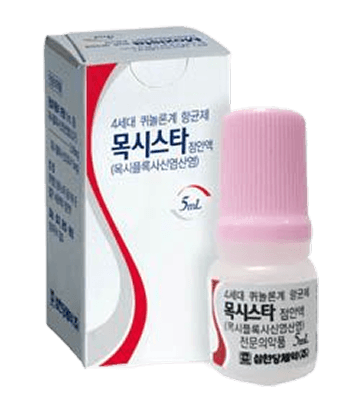
Moxistar Eye Drops
A powerful antibiotic that prevents bacteria from entering the surgical site. It is the most basic and important eye drop for preventing infection or endophthalmitis after surgery.
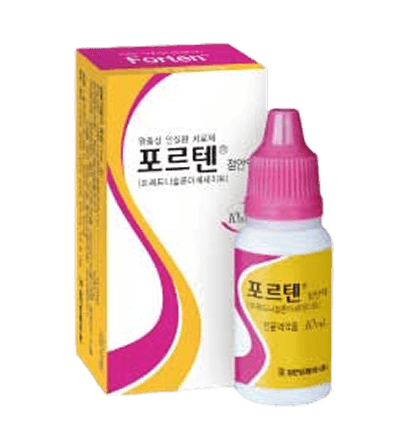
Forten Eye Drops
Reduces inflammation and swelling in eyes sensitized by surgery. It helps with recovery and reduces pain and discomfort.
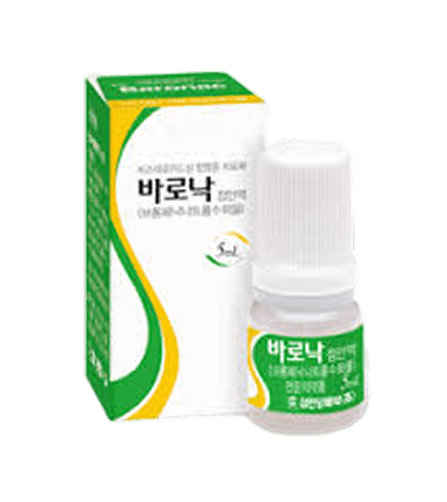
Baronak Eye Drops
Relieves pain that may occur after surgery, and is particularly effective in preventing 'cystoid macular edema (retinal swelling),' one of the major complications of cataract surgery.
Emergency Symptoms Requiring a Visit
If any of the following symptoms appear, do not hesitate
to contact and visit the hospital immediately.

Sudden Vision Loss
If your vision, which was fine after surgery, suddenly drops sharply, or if part of your visual field appears blocked as if covered by a curtain

Severe Pain
Beyond simple foreign body sensation, pain so severe that it is difficult to open your eyes, accompanied by headaches
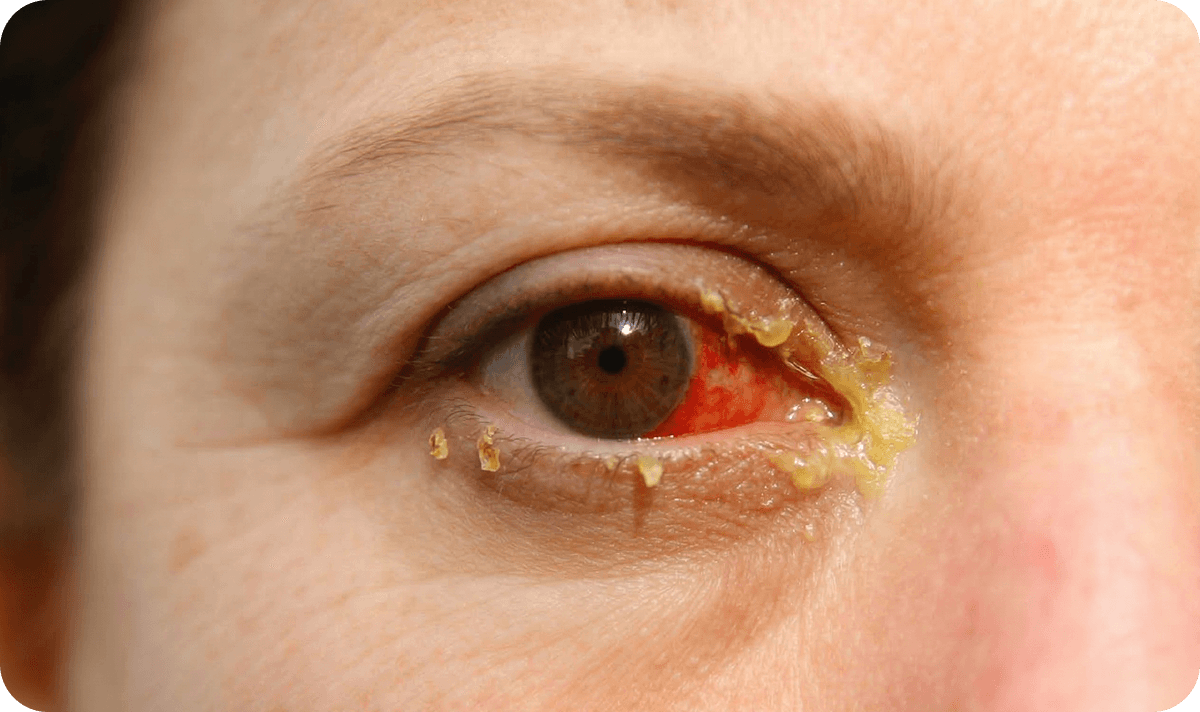
Redness and Discharge
If redness in the white of the eye worsens progressively, with sticky, yellowish discharge exceeding normal amounts

Light Scattering and Flashes
If you see flashing lights (photopsia), or floating objects suddenly increase (worsening floaters)